Navigating the Cost of Self-Build: A Comprehensive Guide
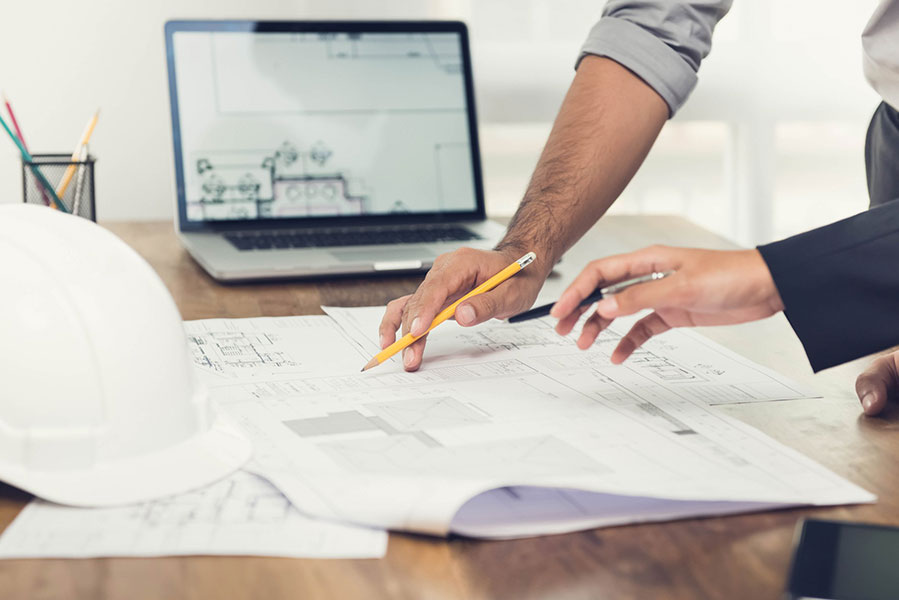
Building your own home is a dream that many aspire to, envisioning a home that perfectly suits your needs and desires. However, the journey from vision to reality involves meticulous planning, especially when it comes to budgeting. In this article, we’ll delve into the intricacies of the cost of self-build, exploring the factors that contribute to the overall cost and providing insights into how you can manage your budget effectively.
Understanding the Self-Build Cost Breakdown
There’s no doubt that a self-build project requires huge financial commitment, but with careful planning and understanding the various costs involved, you can create a realistic budget that you can tightly control.
The first step is to set a clear understanding of exactly what is involved. It’s easy to think of a house as just bricks and mortar, but there are so many other ‘hidden’ elements that may not be as visible that can quickly ramp up the cost of self-build. Essential tasks such as site preparation, demolition, and the installation of utilities set the stage for the subsequent building phases, so it is important these are carefully budgeted for.
Let’s break down what self-build costs you need to consider.
Land Acquisition
The initial expense of acquiring land can influence the overall budget, with location and size playing crucial roles. If the land has an existing property that requires demolition, this can introduce a unique set of costs relating to site clearance and the removal of existing structures.
Prior to purchasing a plot, it’s imperative to thoroughly assess the feasibility of connecting essential utilities such as water, gas, electricity, phone lines, and sewer systems. The accessibility and ease of connecting these utilities can significantly impact your self-build budget. Understanding the infrastructure and associated costs beforehand ensures that you make informed decisions about the feasibility and financial implications of your chosen plot and will ultimately contribute to a smoother and more cost-effective self-build process.
Site preparation
It’s crucial to recognise the three heavyweight contenders that can significantly impact your self-build budget—foundations, substructure and superstructure. These elements alone can consume up to 30-40% of your overall budget.
The quality and precision of groundworks directly impact the stability, longevity, and overall success of the project. Neglecting or underestimating this crucial stage can lead to a cascade of issues throughout the construction process, making it imperative to prioritise and invest wisely in the groundwork phase of your self-build.
The cost of groundworks for a self-build
The cost of groundworks will depend on the size of your overall plot, as well as ground conditions, soil type, load and proximity to trees.
Factors such as foundation depth and drain installations remain somewhat unknown until groundwork begins. Ground investigations will provide more detail as to what work may be needed, so it’s sensible to establish a contingency budget specifically tailored for potential challenges in the foundation stage, preparing for worst-case scenarios.
The skeleton of your home, the superstructure, encompasses external and internal walls, roof structure, and insulation. The subsequent phase involves constructing the outer shell of the building, complete with interior and supporting walls, floors, and culminating in the installation of the roof structure and covering.
This stage will typically account for 20-30% of the overall cost of self-build.
Building Services: Plumbing, Heating, Ventilation & Electrics
Plumbing costs encompass the installation of pipes, fixtures, and sewage systems, while ventilation expenses cover the setup of air circulation and HVAC systems.
As a rough estimate, these services typically account for approximately 15% of the overall budget.
The cost of powering your home
How you are going to power your home will be established in the planning stage, but there are costs associated with getting these services up and running.
Even when a service network is accessible, the expenses associated with electricity and gas connections can fluctuate significantly. This is particularly evident in the case of electricity connections, with costs dependant on the extent of work required to get the service established.
Plastering
The breakdown of plastering costs and decorating in a self-build project can vary based on factors such as the size of the property, the intricacy of design, and material choices. Generally, these elements contribute around 6-8% of the total cost of self-build.
Finishing touches
Despite the building work appearing complete, the finishing touches such as decorating, tiling, and lighting will transform your self-build from construction to a personalised home. Establishing a budget for these items will contribute to the overall aesthetic, and ensures that each detail, from banisters to ironmongery, receives the attention and budget it deserves.
Contingency
When taking on the exciting challenge of building your own custom home, it is critical to budget and prepare for unexpected costs. We recommend factoring in a contingency fund that equals 10% of the total construction budget. This financial buffer allows you to handle unforeseen expenses without derailing the project or ending up in debt. Contingency money might be used for last-minute building modifications, spikes in material prices, permitting changes, undetected site conditions, subcontractor overages, delays and insurance issues. While no one likes to dwell on worst-case scenarios when planning out their dream home build, failing to allocate an adequate contingency fund puts your budget, completion date and financial security at risk should something not go according to plan.
Setting Your Self-Build Budget: A Strategic Approach
To manage the costs of a self-build project, consider breaking down your budget into these key stages. This strategic approach allows for better cash flow management and also prioritises high-cost items.
Opting for a fixed-fee self-build package
Our all-inclusive, turnkey self-build package gives self-builders absolute peace of mind by offering the flexibility to construct your dream home within your budget. Our package encompasses the entire build cost, covering all essentials to facilitate the construction and preparation for your move-in. It incorporates connection expenses for water, electricity, and gas supply, as well as sewer connection. Additionally, it covers the costs associated with the supply and installation of kitchen units, sanitary ware, wall tiles, fireplace, and flooring, providing a hassle-free solution for your self-build project.
In conclusion, embarking on a self-build journey is an exciting undertaking that requires careful consideration of costs at every turn. With strategic budgeting, making use of our free self-build calculator, meticulous planning, and a keen eye on potential pitfalls, your self-build project can turn into the home of your dreams without breaking the bank.


