New home snagging: how to ‘snag’ your new house
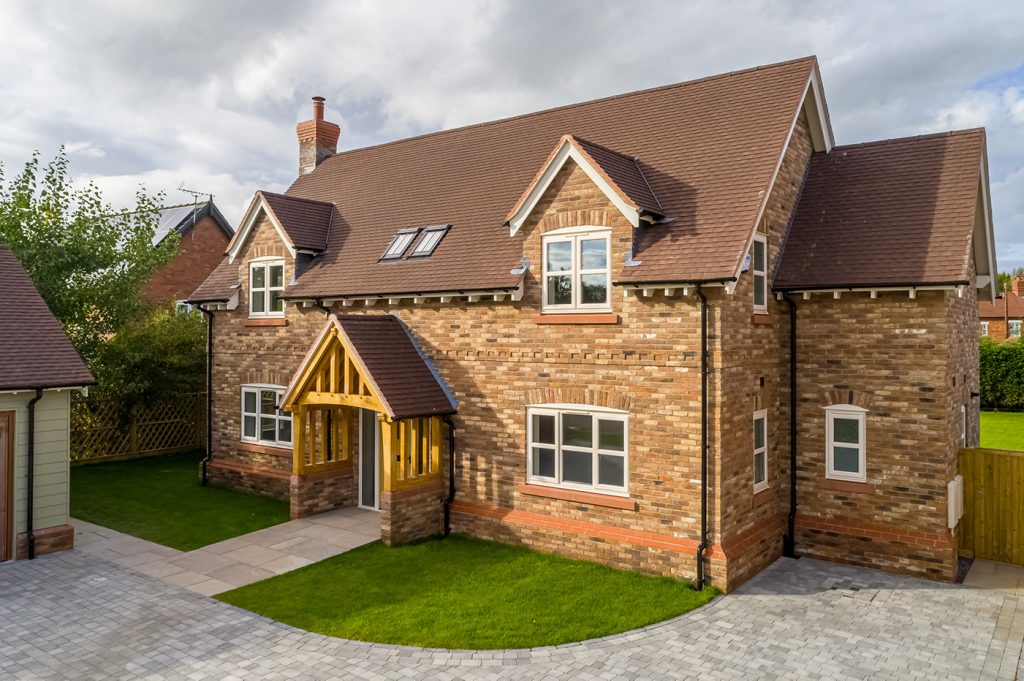
When new homes are completed, this isn’t quite the end of the story. In some instances, there may be some new home snagging work required. This occurs when the workmanship on the new build fails to meet expectations and standards. Actually, a customer can raise a query or complaint regarding a snag at any point in the construction process. If you are unsure about the quality of workmanship, you can also engage an industry expert, who can advise you on whether you have a case or not, regarding snags and rectifying them. The main thing is – if something is not to your satisfaction, ask the question, so you can then independently verify if it meets industry standards.
Keeping track
Some snags in new homes are obvious and will not be difficult to spot. Missing components, such as coping stones on walls or the wrong type of material used, will be easily verifiable by referring to the agreement and contract that was signed – and checking the design specification. If you are carrying out regular site visits to keep up-to-date on progress, make a note of anything that you think may qualify as a snag. You don’t have to wait until the contract is completed to address the issue with the contractor. You should always mention something you are not sure about as soon as you can. But it is usual to prepare snagging lists at the end of a contract, when the new-build is complete and you can take a proper, close-up look at the property. It’s important to keep track of anything that you think may constitute a snag.
The New Homes Quality Code (NHQC) has introduced the chance for customers to carry out a pre-completion inspection – either by themselves, or by an accredited professional – after notice has been given that the property is completed, but within the five calendar days prior to settlement. The New Homes Quality Board (NHQB) advises how to make complaints about workmanship. If you are unhappy with the quality of your new home or the service provided, then you should contact your developer. Details of how to do this can usually be found on their website, or in any information provided for you when you moved in.
Code of conduct for construction of new homes
If you are dissatisfied with how your complaint is dealt with, you can check whether you are protected by the New Homes Quality Code. If your developer is on the Register of Developers and you reserved your home after their registration date, then you are covered by the New Homes Quality Code and can ask the New Homes Ombudsman to investigate your complaint. The easiest way is via their website at www.nhos.org.uk or by calling 0330 808 4286. If your developer is not registered, or you reserved your home before their registration date, then you aren’t covered by the New Homes Quality Code. You may however be protected by an alternative scheme, which can be confirmed by your developer.
As a new homeowner, you should make a full inspection of the property, both internally and externally. The average new-build can have a range of defects or snags, that may require remedial work. Snagging issues aren’t unusual, but need to be addressed early, before they cause bigger problems.
Questions to ask when you are looking for defects in new homes
Windows – are there scratches on the frames or the glazing? Do they operate how you’d expect, and open and close easily on their catches and latches?
Doors and doorframes – do the doors open and shut properly? Also check that the door furniture works well, so locks and handles work. Remember that if you have added a thick carpet you may need to get the bottom of doors trimmed to fit.
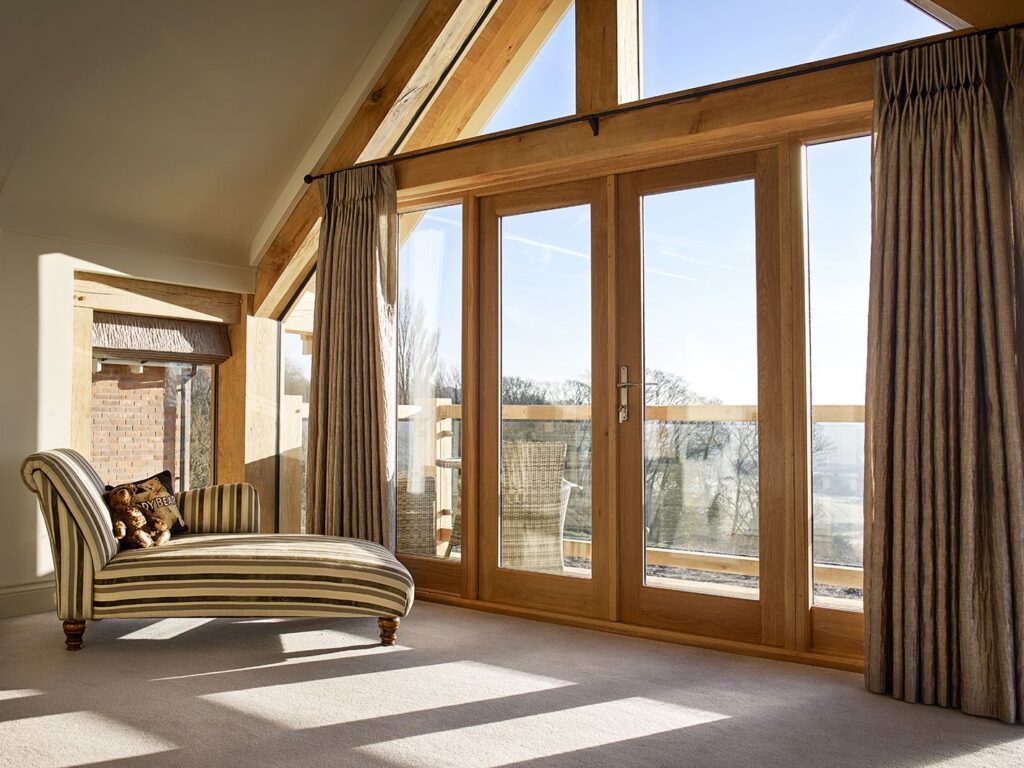
Walls and ceilings – is the plasterwork smooth and are there any obvious blemishes, such as screw or nail pops? Are the walls and ceilings straight and are there cracks appearing that are not covered by decoration? Is the decoration carried out satisfactorily, with no drips or runs?
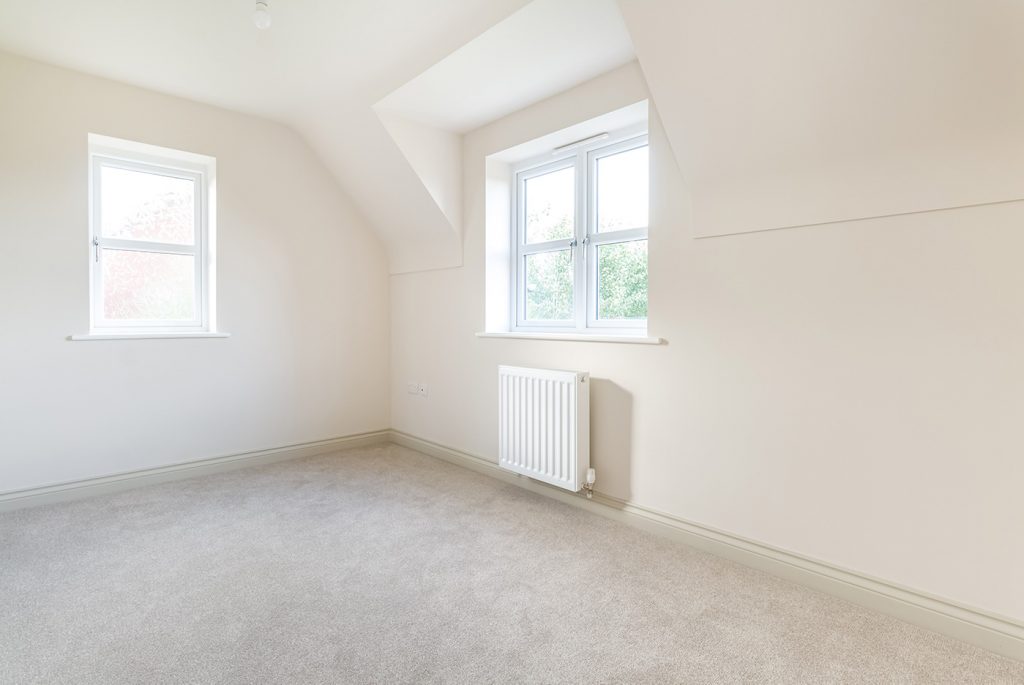
Floors – if they are concrete, are they level and free from cracks and if they are timber, are they level and do they creak?
Lighting – do all the light switches and fittings work properly? If there are faders fitted, do they work and do the right switches operate the correct lights?

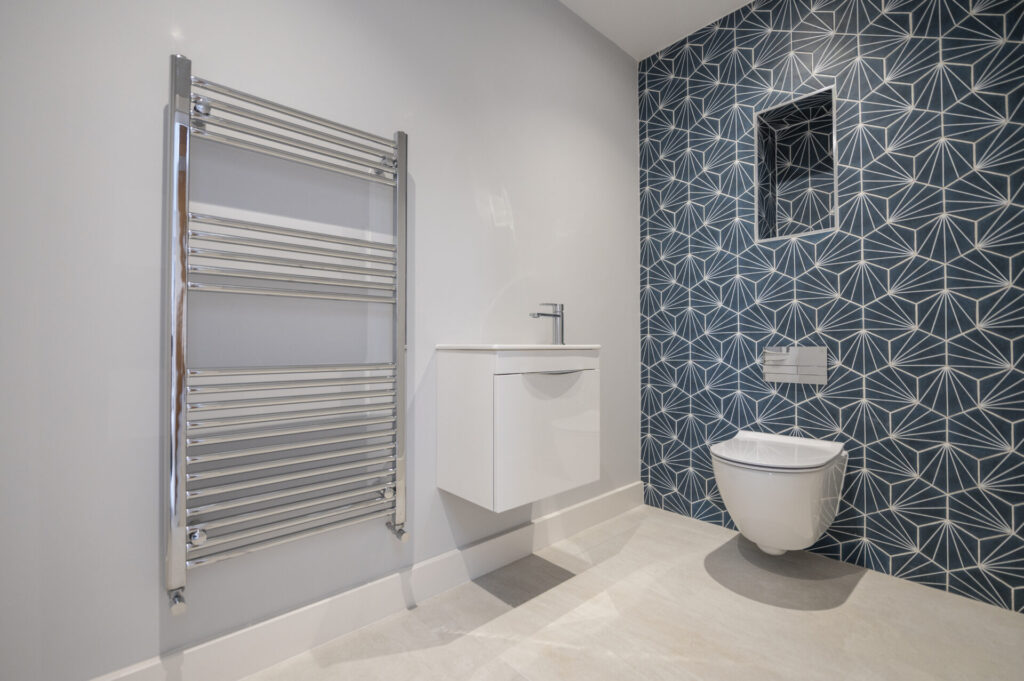
Central heating and plumbing – do the boiler and radiators work properly and efficiently, and is the pipework free from leaks? Also, do the taps work and not drip or leak, and the toilets operate as they should?
If in doubt on these issues and many more, it’s always worth asking your developer in the first instance.
CB Homes is an A1+ member of the National House Building Council (NHBC), registered builder with the Local Authority Building Control (LABC), as well as a member of the Federation of Master Builders.
Each of our homes is backed by our unique and dedicated personalised approach to customer service. This ensures every CB Homes development delivers ultimate peace of mind to its new owner, long after we’ve handed you the keys.
Latest posts
- 26th February 2025Planning for the future – Local Development Plans
- 5th February 2025On your doorstep – the importance of a site’s location
- 22nd January 2025Build, build, build – the importance of regeneration and housebuilding
- 9th January 2025Ettley Grove in Calveley: taking a closer look at the houses on our new development
- 19th December 2024Putting a roof on our multi-generational self-build home
- 12th December 2024Choosing Calveley for our latest development, Ettley Grove
- 28th November 2024The lie of the land – what types of land can you build on?
- 13th November 2024Our new development in Cheshire: total peace of mind when you buy from CB Homes
- 24th October 2024New build homes in Calveley, Cheshire – just launched!
- 24th October 2024Planning laws in England – what you need to know when you are selling land

CB Homes Self-Build Projects
Get inspired with our range of past and current projects across a range of different house styles, requirements and budget.


