Sustainability in Self-Building: Part 3. Saving Resources

Sustainable self-build: Smart savings for the future
There are many different ways to make our homes more sustainable and there are now government initiatives that are actively encouraging this to happen. The Building Regulations in the UK are adapting at the pace of change and there are new rules on everything, from insulation to water usage. We’ve looked at some of the big ways we are able to build using new thinking, to conserve energy and be more sustainable. In the final part of our sustainability series, we are going to take a look at how we can use less – through our saving of resources, to make real impacts in the fight against a changing climate.
The principal way forward is smart solutions for saving resources. The less energy we use, the more we conserve and the more sustainable we become. It may sound a simple, straightforward scenario, but there are myriad factors that impact this. Insulation is one way we can ensure that any heat usage within a property is conserved and its usefulness maximised. Close doors and windows, and don’t have the heating on when you don’t need it. The fact that many of us are spending a lot more time at home – due to new ‘working from home’ practices – means our homes must be made even more energy-efficient. The way our homes ‘breathe’ is an important aspect of their makeup. Adequate ventilation is key, as we need to be healthy too and not breathing stale air more than we have to. But any heat, especially in colder weather, should be retained where possible, not lost to airflow.
Conservation of heat in new-builds
Up-to-date insulation – either built-in or injected – and glazing, can make a massive difference to energy consumption and bills. In the current economic climate of rising power costs, any saving and accumulation of energy is welcome. The retention of heat is going to be a ‘hot topic’ this winter, as heat conservation makes a huge difference to bills. Homes using older fuels – oil, solid fuel – will be hit particularly hard, as these fuels are being phased out in favour of more environmentally sympathetic options. Of course, new heating methods, that perhaps don’t require chimneys, means that some design features of traditional houses may become obsolete.
Saving resources: water recycling and sustainability
We’ve looked at energy efficient boilers and alternative fuels, but low energy solutions and smart solutions are also options. There’s a great deal of new thinking on water consumption and preservation. Do we require purified water, for example, to flush our toilets? Are there ways we can harvest rainwater to be put to this use, or for irrigation purposes? The theory of this is great, but it does rely on there being a lot of rain and it’s still not very popular. As the technology becomes more sophisticated however, this may change.
More considerate, less wasteful by saving resources
Data on household flowrates are now inbuilt into the new Building Regulations and are measured in terms of per person per day. Flowrates apply to various household appliances, and fixtures and fittings such as flush toilets, water taps, washing machines, dish washers and showers. They do make a big difference to water consumption however, as you are much more aware of your usage. During the design and fitting out process, it’s surprising the water savings that can be made by choosing environmentally-friendly options. Some manufacturers are very flowrate efficient, generally the bigger and more expensive the brand, the better they are. Also, in some cases you can fit flow restrictors and other gadgets – a displacer in your toiler cistern for example – to make further savings.
Colin Francomb, of building consultants Ratio Seven, outlines what the future holds,
“The more considerate and less wasteful we can be, the more water can be conserved. Wastewater and utility companies are exploring new solutions for purification of water all the time, with the greater emphasis on the reuse of recycled water where possible. Until they have cracked this conundrum however, we have to do what we can to ensure the sustainability of our resources and the efficiency of our homes.”
Interested in building your own home? Talk to us about our complete self-build package.
Latest posts
- 26th February 2025Planning for the future – Local Development Plans
- 5th February 2025On your doorstep – the importance of a site’s location
- 22nd January 2025Build, build, build – the importance of regeneration and housebuilding
- 9th January 2025Ettley Grove in Calveley: taking a closer look at the houses on our new development
- 19th December 2024Putting a roof on our multi-generational self-build home
- 12th December 2024Choosing Calveley for our latest development, Ettley Grove
- 28th November 2024The lie of the land – what types of land can you build on?
- 13th November 2024Our new development in Cheshire: total peace of mind when you buy from CB Homes
- 24th October 2024New build homes in Calveley, Cheshire – just launched!
- 24th October 2024Planning laws in England – what you need to know when you are selling land
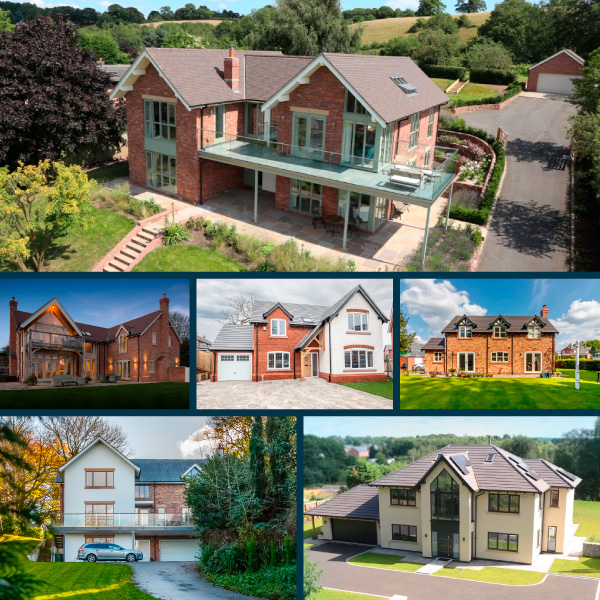
CB Homes Self-Build Projects
Get inspired with our range of past and current projects across a range of different house styles, requirements and budget.


