An overview of the different types of land you can build on
Continuing our series of blogs exploring land acquisition, we’re now looking at the different types of land you can build on: Brownfield, Greenfield and Grey belt.
Location is key to what we’re looking for in land for development. We want something that will appeal to our clients and prospective buyers, and availability is important too.
Across England, there are several types of protected land where building new homes is restricted. These include Green belt, designated greenspace, national parks, Areas of Outstanding Beauty (AOB), Sites of Special Scientific Interest (SSSI) and designated heritage assets.
In terms of defining what’s available, until recently there were two broad types of land that can be built on. Most people are familiar with the terms Greenfield and Brownfield, but thanks to the new government, there’s also a ‘grey’ area to discuss too – grey belt.
Protecting green space – What’s the difference between Greenfield and Green belt?
If you live in the countryside in the UK, on the edge of a village, or town or city, you probably live in an area defined as Greenfield or Green belt. Greenfield typically refers to land which has not been developed. The vast majority of land in England is Greenfield and in 2021/22, 46% of new homes were built on land designated Greenfield.
Greenfield is rural space that can be developed, as opposed to Green belt – this is the safety buffer between built-up towns and the countryside, and are protected areas. The ‘Green belt’ definition is a planning policy tool used by local councils and planning authorities. The aim of Green belt is to prevent so-called ‘urban sprawl’ – the add-ons to towns and suburbs, that spread into green spaces.
Land deemed Green belt is supposed to be protected from development – it is mostly used for agriculture. Green belt aims to protect natural or semi-natural environments, and also improve air quality in urban areas. In addition to urban parkland, it also ensures people living in towns and cities have access to the countryside. In 2021/22, of all new homes built in England, only 2.5% were built on Green belt land.
However, land defined as ‘Greenfield’ is green space where development is permitted. It is rural land that has never been built on, but can be. As of October 2022, Greenfield land accounted for 91% of land across England.
Reclaiming the land: What is Brownfield land?
In addition to Greenfield, another development option is Brownfield land. Brownfield is previously developed land that has been abandoned or is being underutilised.
These dormant sites are usually found in urban areas and have often had something built on them before. They are particularly useful in urban regeneration projects. The fact that the land has previously been used gives planners the perfect opportunity for redevelopment projects.
Building on Brownfield land can usually be a simple process, as planning permission will already be in place in some form – it is the extent of the development that will need to be assessed.
Another advantage is that services such as plumbing, wastewater, gas and electricity are likely to already be present at the site. Often however, there may be previous structures to be demolished and removed from the site. There may also be problems with contamination of the land. This can lead to costly clean-up operations, before any work can take place.
What are some examples of Brownfield sites?
Examples of post-industrial Brownfield sites include abandoned factories, warehouses or petrol stations. The presence of pollution or contamination may limit the extent of the land’s redevelopment. There can also be underground hazards to contend with, and the land will have to be surveyed thoroughly – with an underground utilities survey, for instance – before any planning decisions can be made.
What is Grey belt?
The introduction of a ‘Grey belt’ category by the new government has added to the options for development. The government acknowledged that its housebuilding targets will require more than the Brownfield sites available, so the National Planning Policy Framework (NPPF) has introduced Grey belt.
Grey belt is a new classification of Greenfield land that can now be developed on, located in the Green belt. Grey belt land will usually be areas of Greenfield that are no longer of historical significance, usefulness or agriculturally productive. This will allow for an increase in housebuilding where it is most needed, as the stringent Green belt restrictions have meant development has been protected but stifled in some areas.
The ‘belt’ term here is a bit misleading, as this definition is not like Green belt, which is an encircling buffer around existing buildings. It is more like infill development, when areas of land between existing housing are released for development.
What are some examples of Grey belt land?
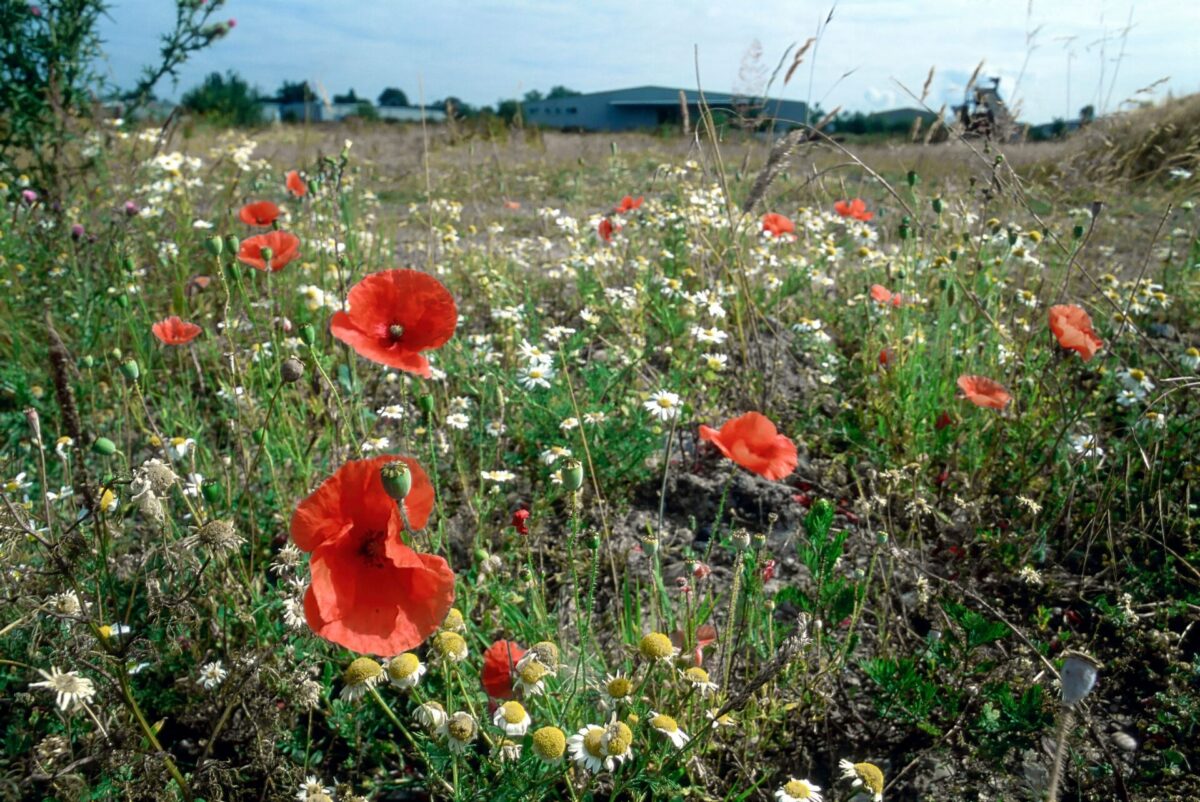
The sort of land targeted is poor-quality agricultural land that is not useful, car parks, wasteland, former quarries or vacant premises such as disused petrol stations, which often have a large footprint in terms of acreage and are also usually positioned well for road networks. Grey belt can also include leisure facilities like golf courses, caravan parks and camp sites.
What falls into the definition of Grey belt will be decided, as before, by Local Planning Authorities. When looking at potential sites, they will consider previously developed land first, before moving onto grey belt sites and then green belt sites as the last option. In this way, it is hoped that borderline cases can be developed. As Grey belt has often already been developed or partly developed, the potential for future building is much more likely.
If you have an area of land, in Cheshire or close by, that you think might be suitable for development, please contact us today.