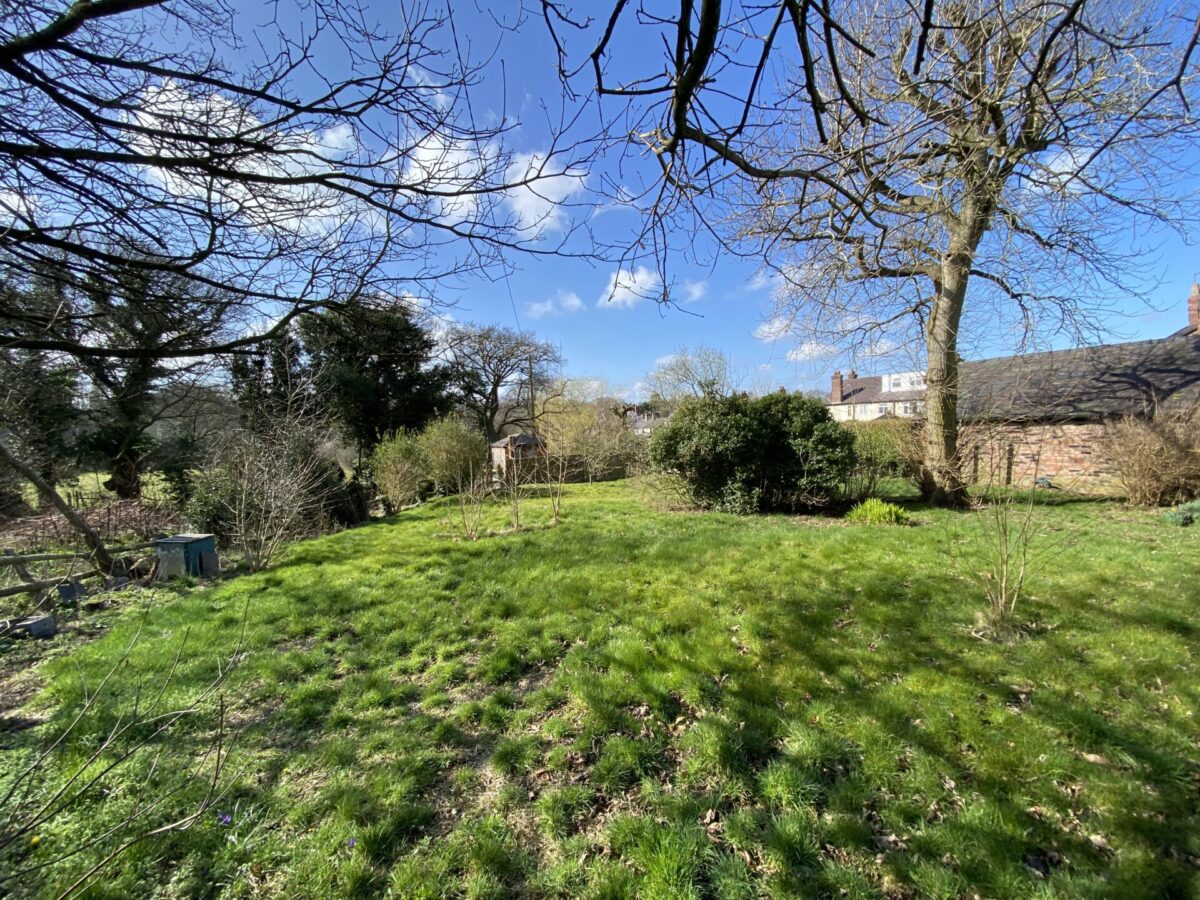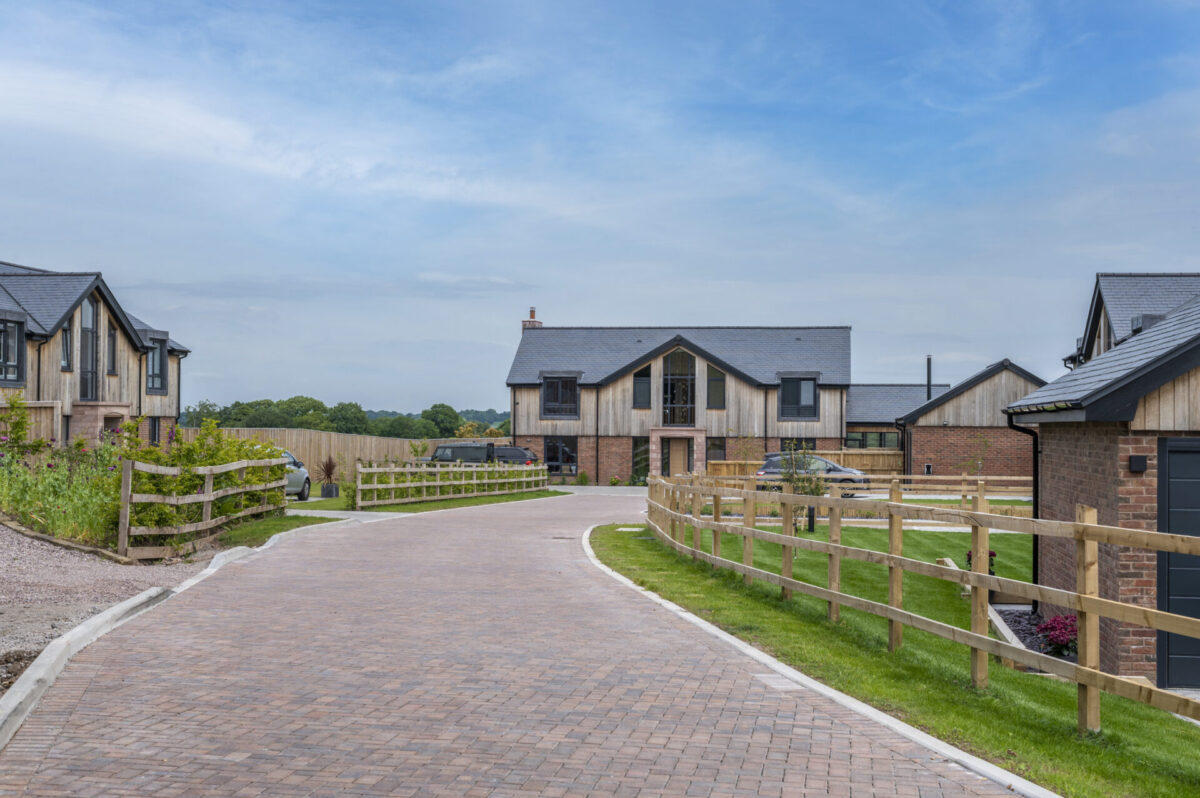
Helen Galesi has been Sales Manager at CB Homes for the last nine years. She has worked on numerous small and exclusive CB Homes developments all over Cheshire. She is currently based at Acorn Gardens in Northwich, where the last of the two remaining houses of the 13 houses built there by CB Homes have recently been sold.
What did you do before working at CB Homes?
I’ve always been in sales either office-based or a favourite of mine was when I worked in a jewellers, based in Northwich.
What do you like about your job as sales manager?
I absolutely love my job! I look on it as going on a journey with our customers from the moment they reserve a home to the day we hand over the keys to their new home. I’ve made some good friends along the way. I even got invited to the wedding of one couple who I had helped buy a CB Homes house! I especially enjoy working with first-time buyers as they are so excited to be moving into their first property as homeowners and I think their excitement is catching!
What does a typical day in your life look like?
I’m usually based in the marketing suite of whichever development we are marketing at the time. I start the day checking any emails or phone messages that may have come in overnight and if we have a show home available, I check that everything is set out as it should be and it is ready for any visitors.
I have meetings every week with my manager where we discuss sale progressions and he keeps me updated with what is happening on site, which enables me to keep customers informed and up to date with the build programme.
Prospective buyers may call on the phone, email or turn up in person wanting to know more about the houses we have available. I make sure I get a good understanding of what they are looking for and see if I can match them up with the perfect property.
Very often, people want to know what comes with the house as standard. I explain what the basic specification includes and then how they can upgrade some choices if they want to, such as white goods, flooring, carpets and wardrobes and also our ‘Finishing Touches’ where they can choose things like kitchen worktops and cupboard colours to really personalise their home. All our developments are different from each other and each house style is different too so there are lots of choices to be made. I really like helping out with that where I can, especially where we are selling off-plan as the house hasn’t been built.
Once a customer has paid a reservation fee, I am then their point of contact throughout the whole buying and building process, so we get to know each other quite well. I’m always available to answer any questions, find out any information they need, keep them updated with progress and arrange site visits when possible. I always follow up with an email but I like to be available to talk face to face or on the phone as I really like making connections with people in-person where I can.
Prior to completion, usually a week before, I arrange to meet up with my buyers, to go through the homeowner’s manual with them– the homeowners manual is like an encyclopaedia of their house, with every possible bit of information they could ever need – details of things like how to operate the alarm or the heating system, what type of bricks we have used and who supplies them.
On completion day when we hand over their new home, we ask our customers to walk around the house to make sure they are happy with everything or flag up any tiny, last-minute snags that need fixing. I make a note of anything like that that needs doing and then leave them to enjoy making themselves at home in their new house.
What’s your biggest challenge as Sales Manager?
I think it’s selling houses off-plan where there isn’t a house ready to show them yet. It’s really important that I can help the customer envision what the house will look like by showing them floorplans, drawings, artists impressions and samples. It all helps them build up a picture of the completed house so they can imagine themselves living there.
Why do people like buying houses from CB Homes?
All of CB Homes houses feel just a little bit different, with very individual characters and features so that draws people in. I think it’s a question of the beautiful design and the high quality of the build. The houses are simply stunning and people are always so impressed with them. On several occasions I have had visitors who have come and looked around a show home and when they’re leaving will admit that they are actually a builder and that they have been extremely impressed by the quality of the house they’ve just looked round. That makes me feel very proud. My own son is in the process of buying a CB Homes house so that’s how confident I am of their quality!
To find out more about CB Homes houses and their latest developments, visit www.cbhomes.co.uk. You can contact the sales manager via sales@cbhomes.co.uk.