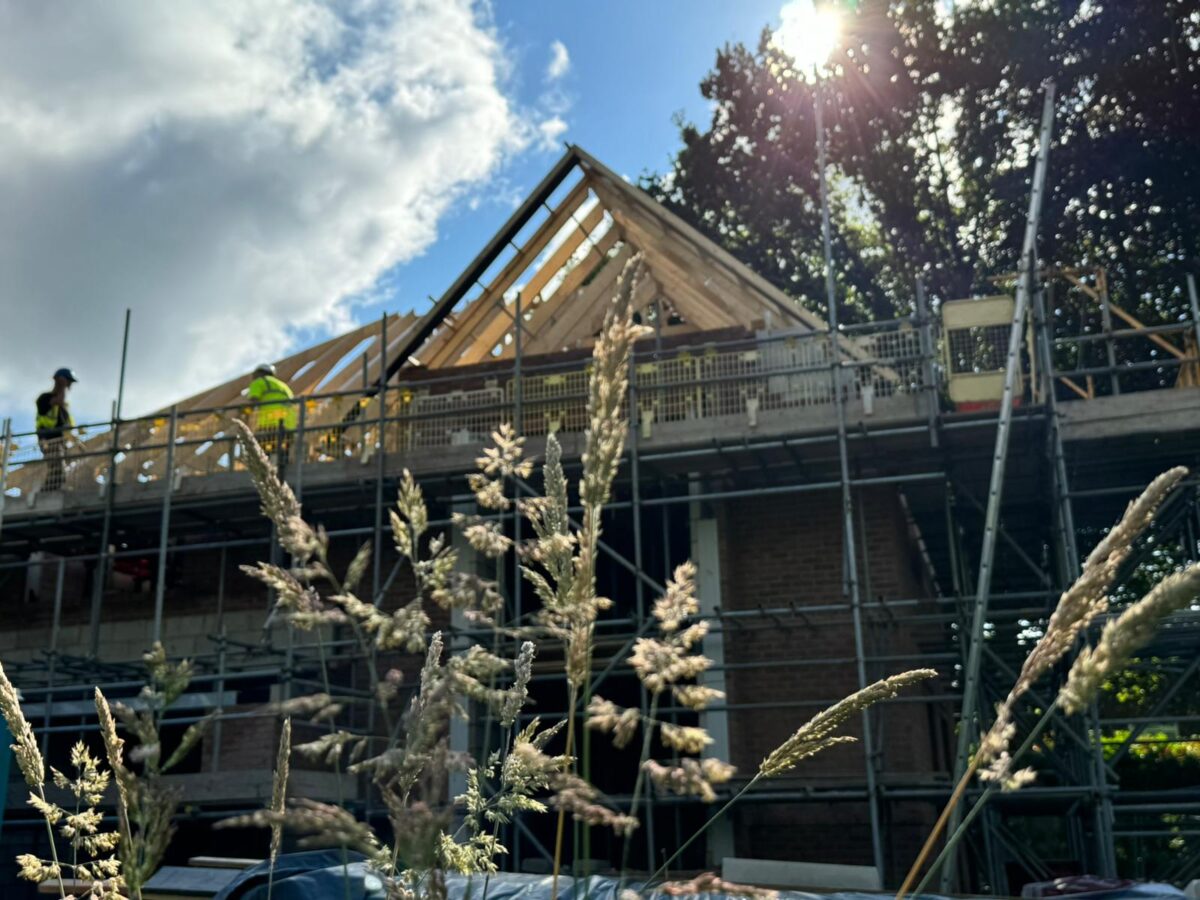
Planning for the future – Local Development Plans

In the last part of our series of land blogs, we’re going to look at how Local Development Plans and planners are shaping our communities and building the communities of the future.

Local Development Plans guide development for councils and local authorities, and map out an area’s long-term future. They aim to deliver growth to where it is needed and help to demonstrate the positive impacts development can have on local communities. In the last part of our series of land blogs, we’re going to look at how Local Development Plans and planners are shaping our communities and building the communities of the future.

Space for expansion through local development plans

Local Development Plans, or Local Plans, are implemented by councils to demonstrate how areas – from cities and towns, or rural villages – will be permitted to be developed. They provide guidance on where new houses can be built and which areas of land can be built on. Local plans take a number of factors into account – such as local need for new housing, a need for growth, opportunities for expansion, and the availability of spaces to develop. For Cheshire West and Chester for example, ‘in line with legislation (‘15C Levelling Up and Regeneration Act’), Local Plans will set out the amount, type and location of – and timetable for – development. The Local Plan will also include other policies in relation to the use or development of land including infrastructure requirements.’

Meeting our needs

This approach ensures that developments are not permitted where they will place an undue burden on infrastructure – this is particularly true of aspects such as traffic on roads, but also things like utility capability, such as sewerage and water supply, or broadband coverage. Feasibility studies and surveys will have to be carried out, so that every consideration is taken in how and where land is developed. In this way, villages can be expanded, as their county boundaries grow and populations rise.

In recent years we’ve seen some building in rural areas, to meet an increased demand for housing outside urban environments. The rise in remote working and hybrid working, post-pandemic have had some impact on this. New policies have been developed to account for these changes and also to tailor developments to meet modern needs. Infrastructure has been key to this, but it also feeds into the new government’s pledge to build. So Local Plans are shaping our villages and towns and our futures in all kinds of positive ways.

Suitability and sustainability

The suitability of land for development is obviously a key factor in which locations are opened up for purchase, planning and building. In urban areas, aspects such as infrastructure will be much easier to integrate and shape around developments. But rural developments can bring with them a whole range of challenges and hurdles that will need to be navigated.

The condition of the land is one of the most obvious – whether the land is prone to flooding, for example. This may mean that work will have to be carried out to make the land safe, with flood defences or drainage diversions for instance. Access and infrastructure can also be challenges that need surmounting, but with careful work and planning – new access entrances, wider infrastructure improvements – these can be solved.     

Councils have information regarding planning policy available on their website – Cheshire West and Chester’s is accessible here – and include a wide range of planning information, such as neighbourhood planning, a Brownfield land register, and self-build and custom house building register, and a design code. Aspects such as sustainability are also having to be taken into consideration too, so that the newest developments maximise the most modern thinking and technology, both in their construction and their lifetime.      

If you own land, in Cheshire or close by, that you think might be suitable for development, please get in touch with us.
On your doorstep – the importance of a site’s location

As an integral part of its housing strategy, the new government has made building a priority. We’ve looked at how the building planning process is changing, to encourage more houses to be built, and more permissions to be granted. One of the key issues is the location, where these new homes will be sited.

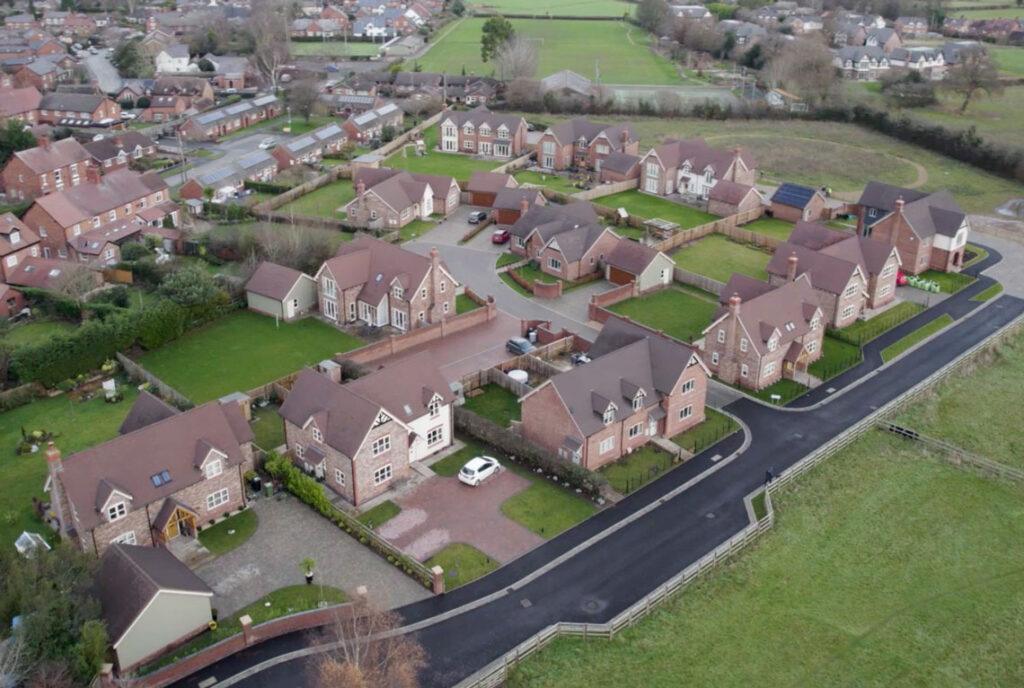
It’s important that new housing developments feel part of their local area, enhancing both the environment and the community, and making them attractive places to live. Making the most efficient use of the land available is also important, so in this blog we’re going to look at the positive impact new properties can have on communities in all kinds of ways.

Building for convenience and community

When planners are considering new development applications, one of the things they look at is the impact it will have on the area. Ideally, new properties should have readily available amenities nearby. This can be shops, such as a general store or newsagent, but can also be schools and easy access to a doctor’s surgery. Having these offerings and services on your doorstep will make a big difference to how attractive new developments are to potential buyers. The approval of new housing development also encourage investment into an area and amenities such as community hubs and cafes can spring up as a result.

Connectivity is another aspect to look at when exploring sites for new homes. The road network, particularly in rural areas, was originally designed for less traffic that it takes nowadays. But it can usually cope with a degree of development, as it is often only certain times of day – the rush hour periods and school run for example – where roads can sometimes become congested. Improvements to roads can often be incorporated into new developments, with junction upgrades or pedestrian crossings, for example. Aspects such as drainage and sewer output will also have to be taken into account, as more houses will increase the capacity required.  

Staying connected

Being on a bus route or near a railway station are also positives when looking at siting new developments. A good bus or train route can make up for a lack of amenities on your doorstep. It’s also essential for residents who don’t drive or own their own car, schoolchildren or elderly people for whom services close by are so important. Planners have to take all these factors into account, so that developments improve communities.

A location designed for living

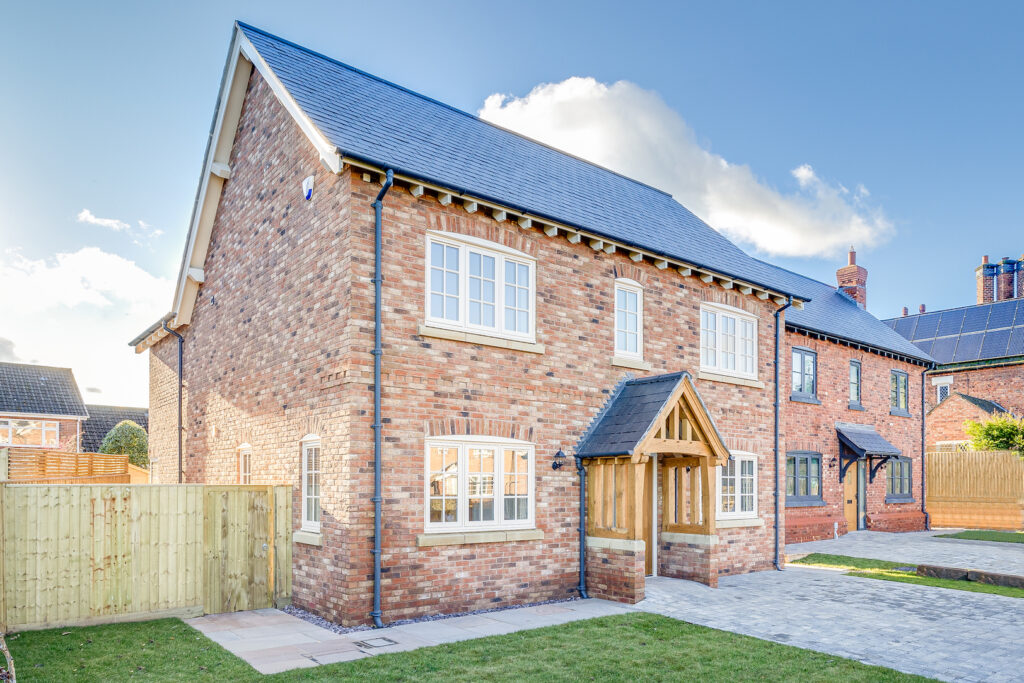
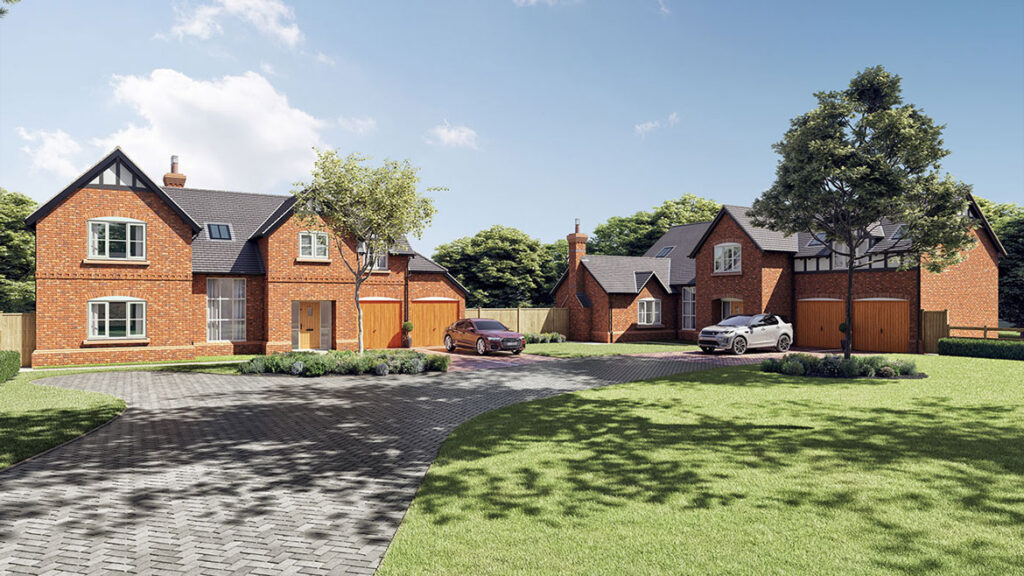
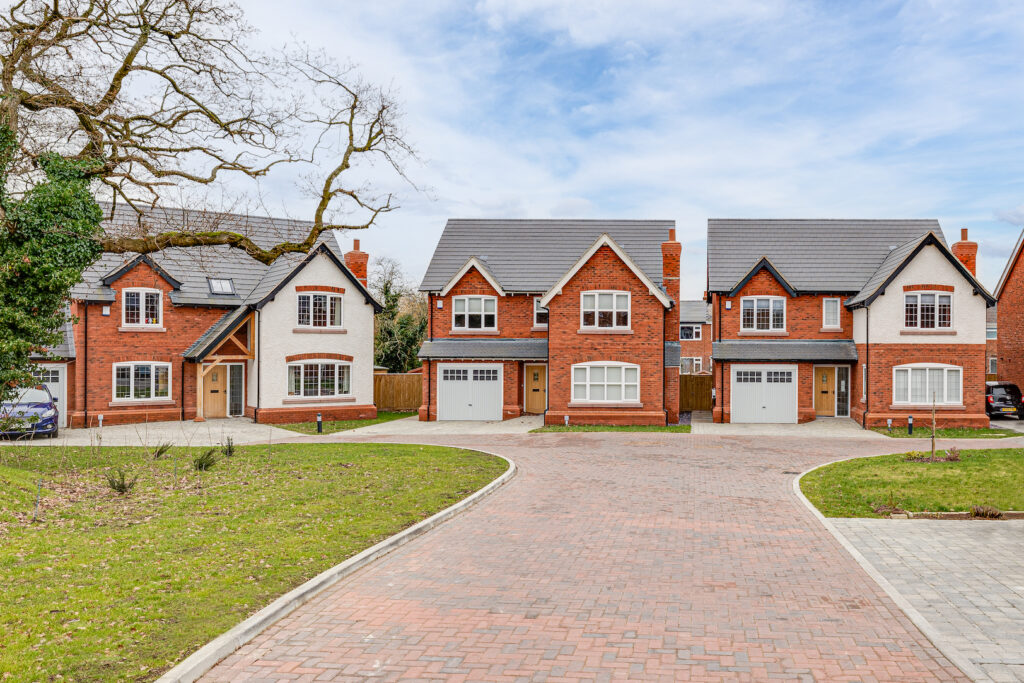
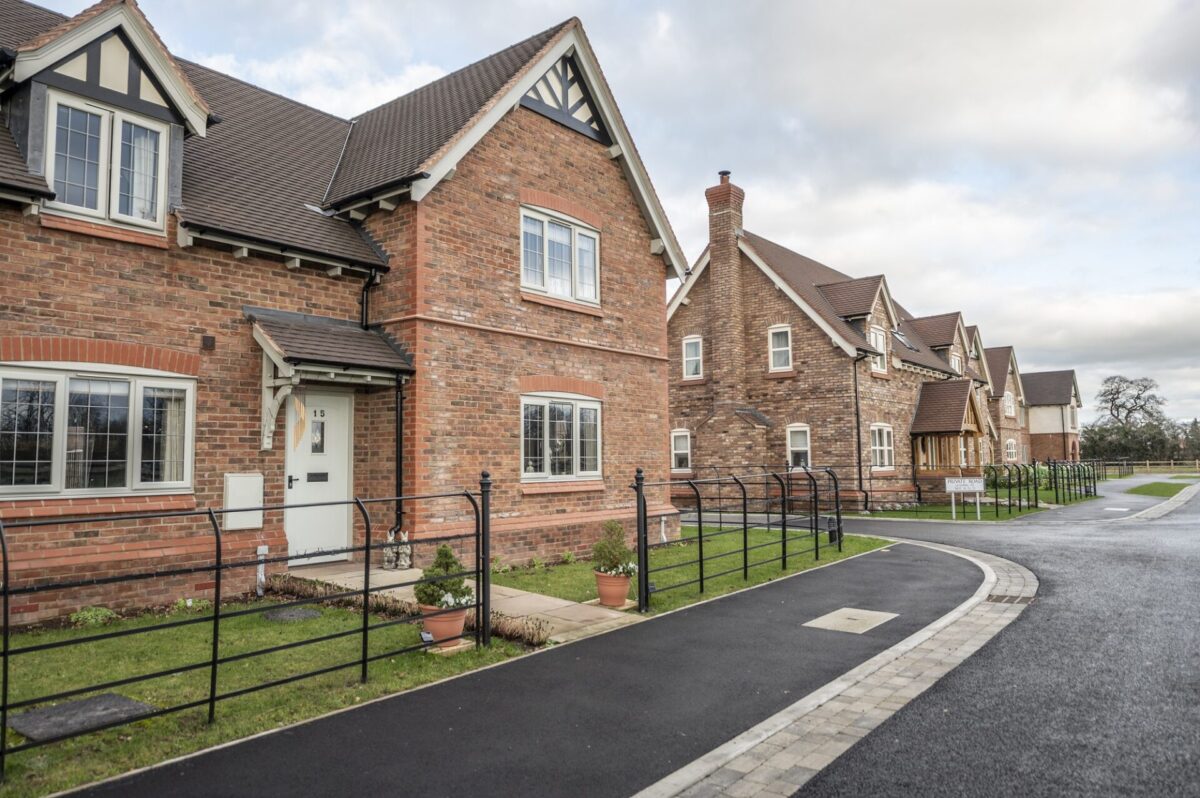
The types of properties included in developments should reflect community needs and demand. High-quality developers strive to make the most of the acreage available, so efficient and imaginative design is an essential part of their developments. The designs should also match the needs of the area too. For our developments, we design homes that people fall in love with and want to live in. We mix traditional styles with modern materials and knowhow, to create our take on country living of the highest quality.

At CB Homes, we transfer that ethos into all of our properties, be they rural, urban or suburban. We design properties that make the maximum use of the land available.

When it comes to developments, the possibilities are endless. Sometimes we are designing large family-style detached properties, but often on multiple-property developments, mews-style or semi-detached dwellings make more sense – both from a building perspective (shared walls, adjoining roofs, less materials, uniform design) and for buyer appeal too (affordability, sense of community, attractiveness of design).

We have also incorporated apartments in some of our developments where ground space is often at a premium. It’s also important to take into account access and mobility issues – single-level living areas, for example, for residents with accessibility challenges, such as the elderly, infirm or people with disabilities. It’s about getting the balance right between building a house and making a home, and many factors feed into the ideal plot’s location.

If you own land, in Cheshire or close by, that you think might be suitable for development, please contact us today.