Living off the grid – isolated idyll or connection nightmare?

When you’re looking to live and work in the countryside, there are many factors you need to take into account. If you’ve enjoyed country living before, you may be used to the seclusion, the silence, the often narrow access roads and the fact that you might not be able to get a phone signal.

When you’re looking to live and work in the countryside, there are many factors you need to take into account. If you’ve enjoyed country living before, you may be used to the seclusion, the silence, the often narrow access roads and the fact that you might not be able to get a phone signal. But if you are only familiar with city or suburban living, then it might be something of a shock to realise that you are not  on the ‘national grid’ in terms of services. When does the joy and peace of isolation become a connectivity nightmare?

Normal service will be resumed

Availability of services of all kinds in rural areas are traditionally unpredictable. From the bus service that only runs three times a day to the nearest town or city, to the post office and garage that are no longer open, the range and choice of public services available to rural dwellers have shrunk dramatically over the last decade. But people love living in the countryside. Rural communities are welcoming and enjoyable places to spend your time. It’s just advisable to be aware of some differences between city and country life. It’s worth checking beforehand if where you are planning to live will have all the services you require – if you want to work from home, for example, then make sure that you have a secure internet connection; if you plan on commuting, ensure the road network is decent, or check your access to a railway station.   

Lines of communication

The communication aspect is very important these days, as so many parts of modern life rely on having a strong and reliable broadband service and phone signal. If your job is home based, you’ll be using the internet on a daily basis, not just for email, but also for presentations and meetings. One of the banes of ‘working from home’ during the pandemic has been staff discovering how poor their connectivity is where they live. They have had to upgrade forthwith to ensure they can cope with the internet traffic speeds required to carry out their roles. In terms of home life, many leisure activities, from watching streamed TV to gaming, are entirely reliant on the telecommunications network. So it’s obvious that the availability of services and their dependability are an essential aspect of rural living and family life that will need to be addressed.

Essentials for living off the grid

Connectivity is particularly important if your project is a self-build. The need for the supply of services onsite – the essential power utilities of water, gas, electricity and oil – and also any available  telecommunications will need to be easy to connect to, or to be brought in if required. Many rural areas are still not on the national gas network, for example. Their remote nature will mean if gas is required, it will have to be stored on-site in gas bottles. The same is true of oil-fired central heating and the external storage tanks that will need filling periodically – though these types of fuel are being phased out if possible and are certainly not being used much in contemporary designs. Of course, cleaner, greener energy sources are increasingly attractive and you can speak to us to find out more about building a more sustainable home.

It’s also not unusual for a rural location that’s off the grid not to be on the sewers. This means the property will require a septic tank or other provision made for effluent and surface water disposal. These aren’t massive inconveniences, but they will need to be addressed and installed.

These are all things that need to be considered if you are thinking of buying a house in the country, or building one from scratch as a self-build project. They are not necessarily dealbreakers on whether you decide to live in a particular location or not. Very few challenges are insurmountable. The countryside remains a wonderful place to live and work. It is certainly an ideal location for many people across our beautiful county of Cheshire.

If you have always dreamed of building your own home, contact us to find out how we can help you.
Design your house for home working: what do you need?

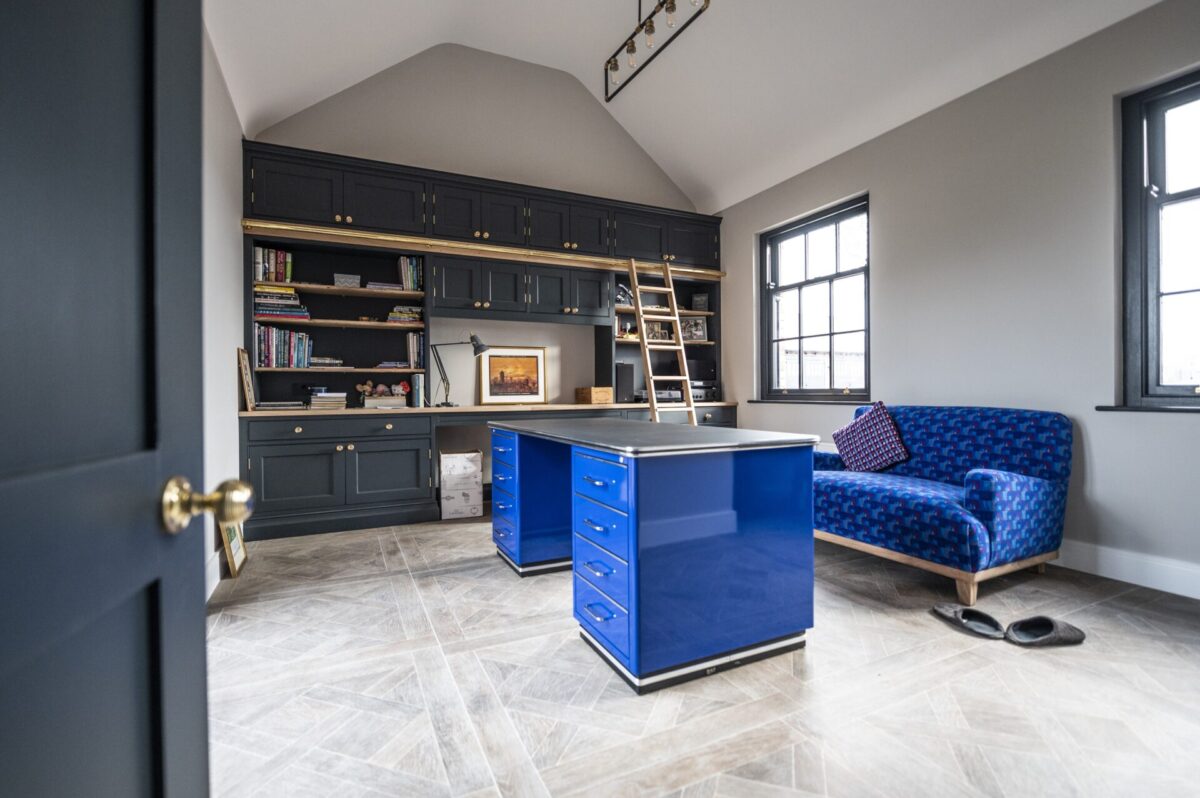
If you are planning to design a new house of your own, as a self-build project, it is worth considering if working from home is going to play a significant part in your future. If it is, then you can design in various features to your house to accommodate this new way of working.

When so many of us suddenly had to work from home at the start of the pandemic, some people really embraced the new way of life and have continued to work from home, at least some of the time. There is no doubt that a big cultural shift has taken place, with many people altering their work-life balance to include working from home, at least part of the time. If you are planning to design a new house of your own, as a self-build project, it is worth considering if working from home is going to play a significant part in your future. If it is, then you can design in various features to your house to accommodate this new way of working.

Location is always key

First of all, think about location. You might be seeking a rural idyll for your self-build project that’s a long way off the beaten track. But how practical will this be if you want to work from home and perhaps entertain colleagues or work clients at in-person meetings? Or even if you are usually based at home to work, you may still need to pop into your office occasionally. Choosing a location that’s easier to reach may be a better option for you.

A dedicated space for home working

When you are planning the design of your self-build with an architect, you should consider the location of your workspace. If you can, it is well worth the luxury of devoting an entire room to your working from home space. As many people who worked from home during lockdown will testify, trying to concentrate on work and work effectively without a dedicated space is extremely challenging. Having a proper study will help avoid any YouTube-worthy moments with toddlers or pets trying to join your conference calls!

With Zoom and Teams calls playing an important part in working from home, consult your architect as they will be able to make recommendations for optimising the space for good acoustics, as this will make a big difference to the quality of these online meetings.

On a purely practical note, you may want your workspace to be located near the kitchen so it’s the work of moments to fix yourself a drink or a snack.

You may also want to consider the aspect of your workspace. Think about the view from the window and how much natural light it will enjoy – a great view and plenty of light is good for both mental and physical health.

Whichever option you choose for your heating system, you need to ensure that you can keep your workspace at optimum temperature. Again, take expert advice on this at an early stage of your self-build project.

Getting connected for home working

When working from home, connectivity is key. These days, a good broadband connection is essential. Make sure you check out what suppliers are available in the area you are considering and what speeds are available. You will need to make sure your budget will cover getting connected.

Power points galore

Modern homes are usually well-served for power sockets but the advantage of self-building is that you can not only choose how many sockets you have in each room, but the exact location of each one to perfectly suit your needs. Many of our clients have said one of their favourite parts of their self-build project has been their ‘walk through’ with their project manager, deciding exactly where all the fixtures and fittings will go.

If you have always dreamed of building your own home, contact CB Homes to find out how we can help you.