Sustainability in Self-Building: Part 3. Saving Resources

In the final part of our sustainability series, we are going to take a look at how we can use less – through our saving of resources, to make real impacts in the fight against a changing climate.  

Sustainable self-build: Smart savings for the future

There are many different ways to make our homes more sustainable and there are now government initiatives that are actively encouraging this to happen. The Building Regulations in the UK are adapting at the pace of change and there are new rules on everything, from insulation to water usage. We’ve looked at some of the big ways we are able to build using new thinking, to conserve energy and be more sustainable. In the final part of our sustainability series, we are going to take a look at how we can use less – through our saving of resources, to make real impacts in the fight against a changing climate.  

The principal way forward is smart solutions for saving resources. The less energy we use, the more we conserve and the more sustainable we become. It may sound a simple, straightforward scenario, but there are myriad factors that impact this. Insulation is one way we can ensure that any heat usage within a property is conserved and its usefulness maximised. Close doors and windows, and don’t have the heating on when you don’t need it. The fact that many of us are spending a lot more time at home – due to new ‘working from home’ practices – means our homes must be made even more energy-efficient. The way our homes ‘breathe’ is an important aspect of their makeup. Adequate ventilation is key, as we need to be healthy too and not breathing stale air more than we have to. But any heat, especially in colder weather, should be retained where possible, not lost to airflow.

Conservation of heat in new-builds

Up-to-date insulation – either built-in or injected – and glazing, can make a massive difference to energy consumption and bills. In the current economic climate of rising power costs, any saving and accumulation of energy is welcome. The retention of heat is going to be a ‘hot topic’ this winter, as heat conservation makes a huge difference to bills. Homes using older fuels – oil, solid fuel – will be hit particularly hard, as these fuels are being phased out in favour of more environmentally sympathetic options. Of course, new heating methods, that perhaps don’t require chimneys, means that some design features of traditional houses may become obsolete. 

Saving resources: water recycling and sustainability

We’ve looked at energy efficient boilers and alternative fuels, but low energy solutions and smart solutions are also options. There’s a great deal of new thinking on water consumption and preservation. Do we require purified water, for example, to flush our toilets? Are there ways we can harvest rainwater to be put to this use, or for irrigation purposes? The theory of this is great, but it does rely on there being a lot of rain and it’s still not very popular. As the technology becomes more sophisticated however, this may change.

More considerate, less wasteful by saving resources

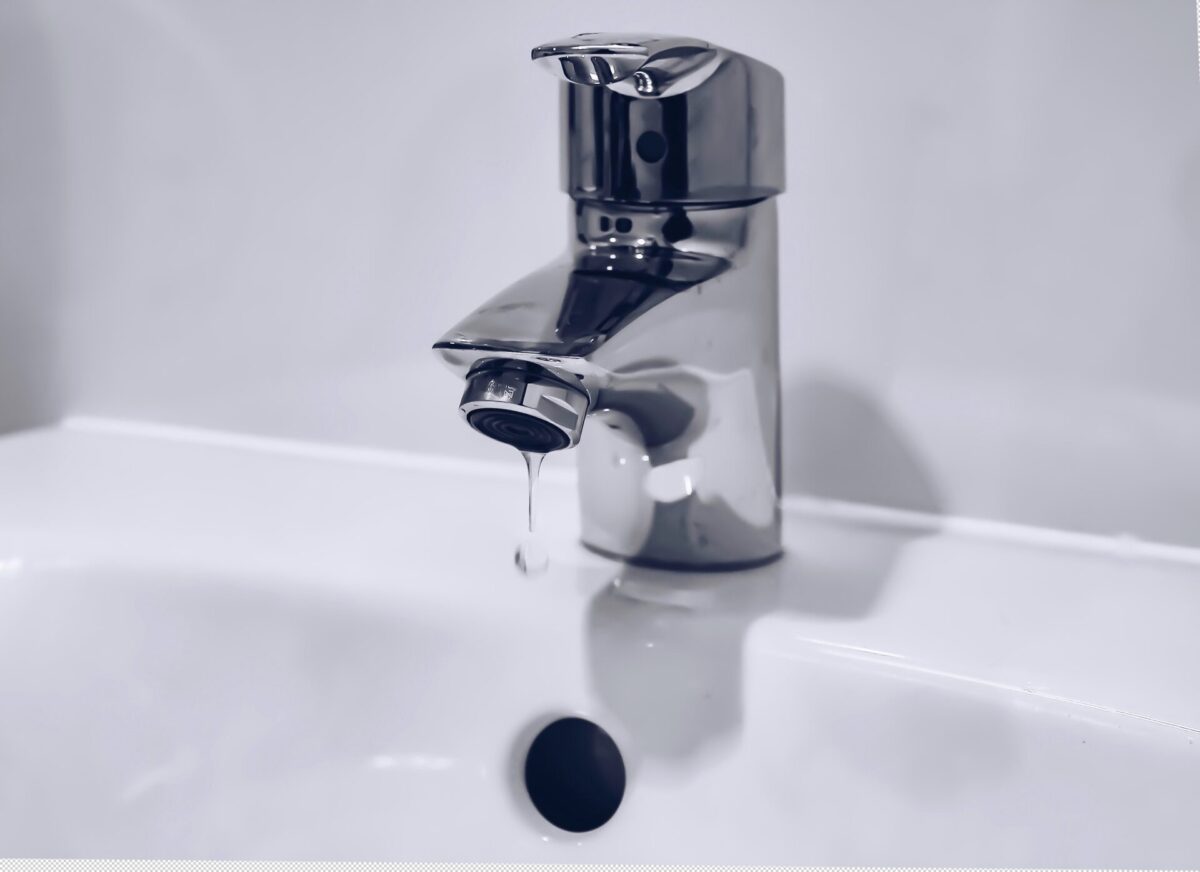
Data on household flowrates are now inbuilt into the new Building Regulations and are measured in terms of per person per day. Flowrates apply to various household appliances, and fixtures and fittings such as flush toilets, water taps, washing machines, dish washers and showers. They do make a big difference to water consumption however, as you are much more aware of your usage. During the design and fitting out process, it’s surprising the water savings that can be made by choosing environmentally-friendly options. Some manufacturers are very flowrate efficient, generally the bigger and more expensive the brand, the better they are. Also, in some cases you can fit flow restrictors and other gadgets – a displacer in your toiler cistern for example – to make further savings.

Colin Francomb, of building consultants Ratio Seven, outlines what the future holds,

“The more considerate and less wasteful we can be, the more water can be conserved. Wastewater and utility companies are exploring new solutions for purification of water all the time, with the greater emphasis on the reuse of recycled water where possible. Until they have cracked this conundrum however, we have to do what we can to ensure the sustainability of our resources and the efficiency of our homes.”

Interested in building your own home? Talk to us about our complete self-build package.

Sustainability in Self-Building: Part 2. Heating

Sustainability is driving all sorts of changes in our lives, from the packaging of our food to how we fuel our cars. Our individual carbon footprints from our own homes are important and there are many ways we can reduce our wastage of vital commodities such as water.

Green ways to heat your self-build home

Sustainability is driving all sorts of changes in our lives, from the packaging of our food to how we fuel our cars. Our individual carbon footprints from our own homes are important and there are many ways we can reduce our wastage of vital commodities such as water. In the second part of our series looking at sustainability in self-building, we look at green ways to heat your self-build and examine how our heating systems are reflecting changing attitudes to the climate and our impact on it.

As we touched on in a previous blog , there have been significant changes made to the Building Regulations in England and Wales in June 2022. The Parts L and O have been amended with regard to overheating. This will mean that energy isn’t wasted by homes overproducing heat and then wasting that energy. All new-build homes will have phased-out gas boilers by 2025. Alternative fuel sources will have to be found and it is the sustainability of these fuels that needs to be looked at closely. Hydrogen has been mentioned  as an alternative fuel, as modern gas boilers can be adapted for its use. But the technology is a long way from being readily available. Oil and LPG/Natural Gas are not sustainable, coal and other solid fuels are long gone, but there are greener alternatives available that are being developed and improved upon all the time.

Savings and impacts of green heating

There is an array of alternatives to boilers and heating solutions being talked about and we are all going to have to confront this challenge in our own ways. It could mean replacing your old oil-fired boiler – with its external feed tank in the garden – or it could mean new-builds having the latest technology incorporated into their designs. SAP software is quantifying the savings and impacts that our carbon footprints are leaving, and the new regulations are addressing this too. So, we need to take a serious look at the alternatives.

Heat pumps, for example, are being discussed as an alternative. A heat pump is a device that can heat a building by transferring thermal energy from the outside. It uses the same technology as the refrigeration cycle. Many heat pumps can also operate in the opposite direction, cooling the building by removing heat from the enclosed space and rejecting it outside – if they only do this, they are air conditioners. But ground source heat pumps, working from a ring main of pipework or a borehole metres deep in the ground, are expensive. An air source heat pump, however, draws air in and is very efficient from a SAP point of view. It may not be as efficient in winter, if temperatures fall below a certain point, but manufacturers are working hard to improve efficiency further.

Heating for the masses

Biomass boilers have not had the impact some people thought they would – partly because they are not the most user-friendly equipment in the world. As they need to be kept clean and topped up manually, they are quite high maintenance. They may be useful in complexes that are maintained by an outside contractor or onsite staff. Mechanical Ventilation Heat Recovery (MVHR) can have positive impacts on health, especially where any members of the household suffer from asthma, for example. Installation of these systems is absolutely key, as they must be perfectly set up to work properly. The current global shortage due to manufacturing and supply problems of cylinders, boilers and heat pumps is causing all sorts of problems, and making developers think twice about embracing them wholesale.

A new dawn

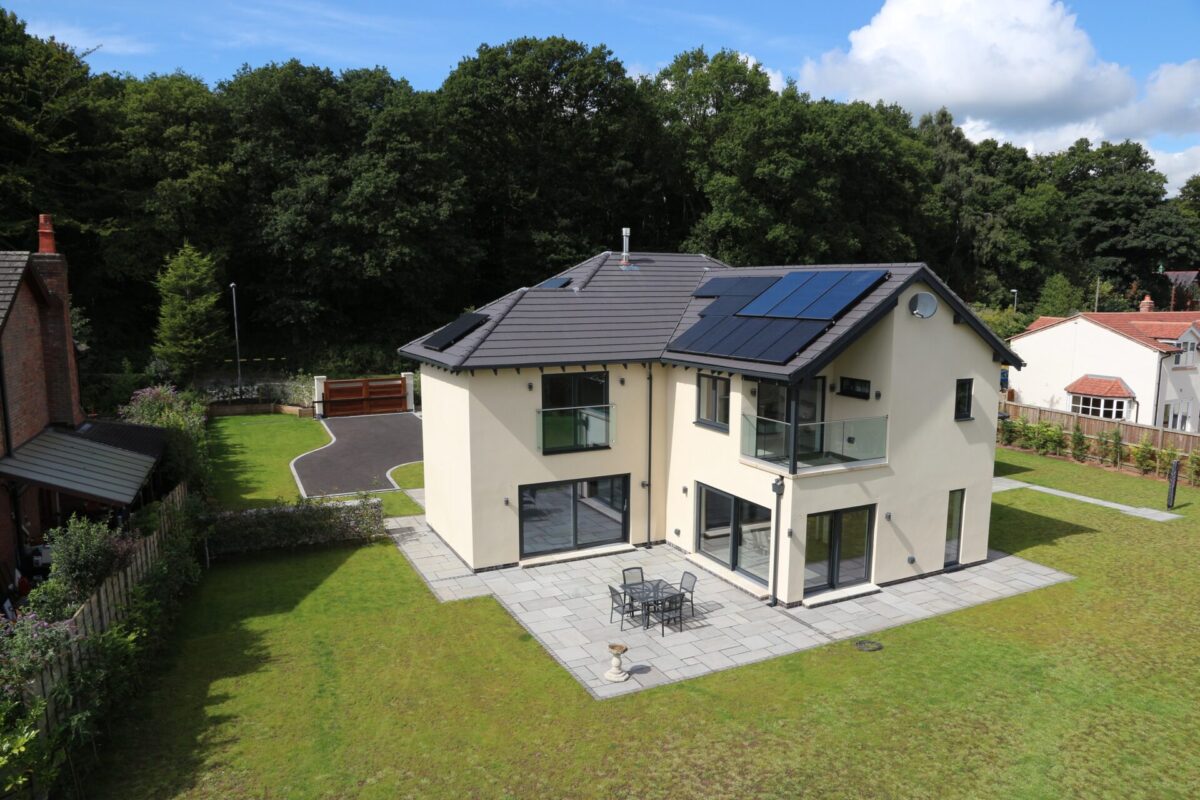
Solar power is becoming more widespread and we are seeing more and more solar panels retrofitted into domestic properties – either as UV panels on the roof, or as free-standing ground-level installations.

For new-build designs the days of thick solar panels standing proud of your roof are long gone. Inline solar panels look just like roof tiles, so there is no problem with aesthetics and design. The main challenge is their lifespan, which is only 20-25 years. Consumers are also reluctant to risk investment too. There are also question marks around the number of hours of sunlight available in the UK and the transferability of the energy. This results in usage and wastage issues for end users. Storage is key too, as where can surplus generated electricity be stored? Previously, people have sent their surplus to the National Grid, but once government subsidy for this stopped, so did the power sharing.

The future for energy efficiency

Powerwalls are fantastic, but extremely expensive and it is unclear currently how they would fit into SAP.

To take one example, a Tesla Powerwall is a rechargeable lithium-ion battery stationary home energy storage unit. The Powerwall stores electricity for solar self-consumption and provides backup power. The Powerwall was introduced in 2015 with limited production – mass production started in early 2017 and as of May 2021, Tesla had installed 200,000 Powerwalls.

Colin Francomb, of building consultants Ratio Seven, has been looking at the various options,

“Currently, with the costs of energy soaring, the perfect compromise is probably to have an air source heat pump that is powered by solar panels. This means you are effectively off-grid and self-sufficient, which in these uncertain times would be ideal. But these are not currently a viable alternative for most homeowners who are thinking about their energy bills, and also other areas they will have expenditure on.

“It’s more a case of looking at areas where efficiencies and savings can be made with the technology currently available”.

Interested in building your own home? Talk to us about our complete self-build package.
Sustainability in Self-Building: Part 1. Building Regulations

The biggest issue affecting building in the 21st century is sustainability and our changing climate. This issue is making all of us us think more deeply about how houses function and how we build them. In a new series of blogs, we’re going to look at sustainability in self-builds.

Building Regulations for sustainable homes

The Building Regulations for England and Wales are constantly evolving. Times change and so do all kinds of aspects of the construction process – from the materials we use, to the government legislation we work to. Perhaps the biggest issue affecting building in the 21st century is sustainability and our changing climate. This issue is making all of us think more deeply about how houses function and how we build them. In a new series of blogs, we’re going to look at sustainability in self-builds.

More carbon neutral homes

In this first part, we explore the overall changes that have been made to building regulations, to promote more carbon neutral homes. The changes that have been introduced are the most significant updates made in a decade. The new legislation has considerably affected several categories, including Parts L (Conservation of Fuel and Power), O (Overheating), S (Electric Vehicle Charging), G (Water use) and F (Ventilation). All new homes registered after 15 June 2022 have to produce 31% less CO2 emissions than current standards. The Building Regulations also include new standards to reduce energy use and carbon emissions during home improvements and extensions, as well as for new-builds.  

Building towards Net Zero

Parts L and O have been amended with regard to overheating and heat loss. The way houses are made ensures they are warm in winter – to save on heating costs and prevent heat loss – but even warmer in summer. They are essentially sealed units, except for the minimal amount of ventilation, without opening wide our windows and doors. The changes to Part L are the first steps towards ‘Future Homes Standards 2025‘, which moves us towards Net Zero. We have almost reached the limit of what we can do on the actual fabric of buildings – the bricks/blocks and mortar – so now we have to turn to technology for help.

We need to look at how much insulation is included in this fabric – the wall cavities, roof cavities and beneath floors. Once these have been optimised, we turn to look at the heating source. All new-build homes will have phased-out gas boilers by 2025 and must be fuelled by an alternative fuel source. Hydrogen has been mooted as a solution, but in developmental terms, it’s nowhere near ready for widespread deployment. This option would have less impact on the current infrastructure, because modern gas boilers can be adapted to use hydrogen. But these developments are not happening fast enough. Oil and LPG are not sustainable resources, so the remaining options are electric and solar power. We’ll be looking in more detail at these available options and other aspects of the amendments to Building Regs in future blogs.

Conservation of power and resources

The changes to Part O address the challenge of retaining a cool interior with enough ventilation to be comfortable, whilst maintaining the building’s thermal criteria. New SAP software has been released by the government, which details all the different calculations you have to carry out for each property. These current SAP calculations are based on 2019 fuel costs, so it’s hard to make them make true economic sense to customers in the present economic climate, with steeply rising energy bills, among other things, to contend with. Changes to Part F of the Building Regulations also came into effect in June 2022, with regard to ventilation and air flow. In recent years the move towards improvements to the thermal performance and air tightness has positively improved the thermal comfort and energy consumption of buildings.

Water use and recycling in new houses

There have been further changes made to Part G of the Building Regulations regarding Water. Water conservation is another key issue that needs to be addressed. This is not just because we sometimes have drought restrictions in place, but because many of us need to look at our wasteful water usage and opportunities for conservation and recycled use. Household flowrate is crucial, to keep below the maximum figure of litres per person per day. Flowrate applies to everything from taps, showers and toilets, to dishwashers and washing machines. The style trend for massive shower heads, for example, may look great, but with some models, this means people’s showers use an excessive amount of water. There are many ways we can conserve and improve our lifestyles regarding sustainability and the homes we live in, and the new regs are driving that thinking into practice.    

Colin Francomb, director of building consultants Ratio Seven, provides some context around this,

“Self-builders are often at the forefront when it comes to significant changes in the building industry, with national housebuilders having much longer to incorporate changes into their building programmes. We’re having to adapt and incorporate these new rules into our designs immediately, without the benefit of hindsight of how effective they will be in the long-term, or the impacts of the financial additions involved for the builders themselves.”

Interested in building your own home? Talk to us about our complete self-build package.