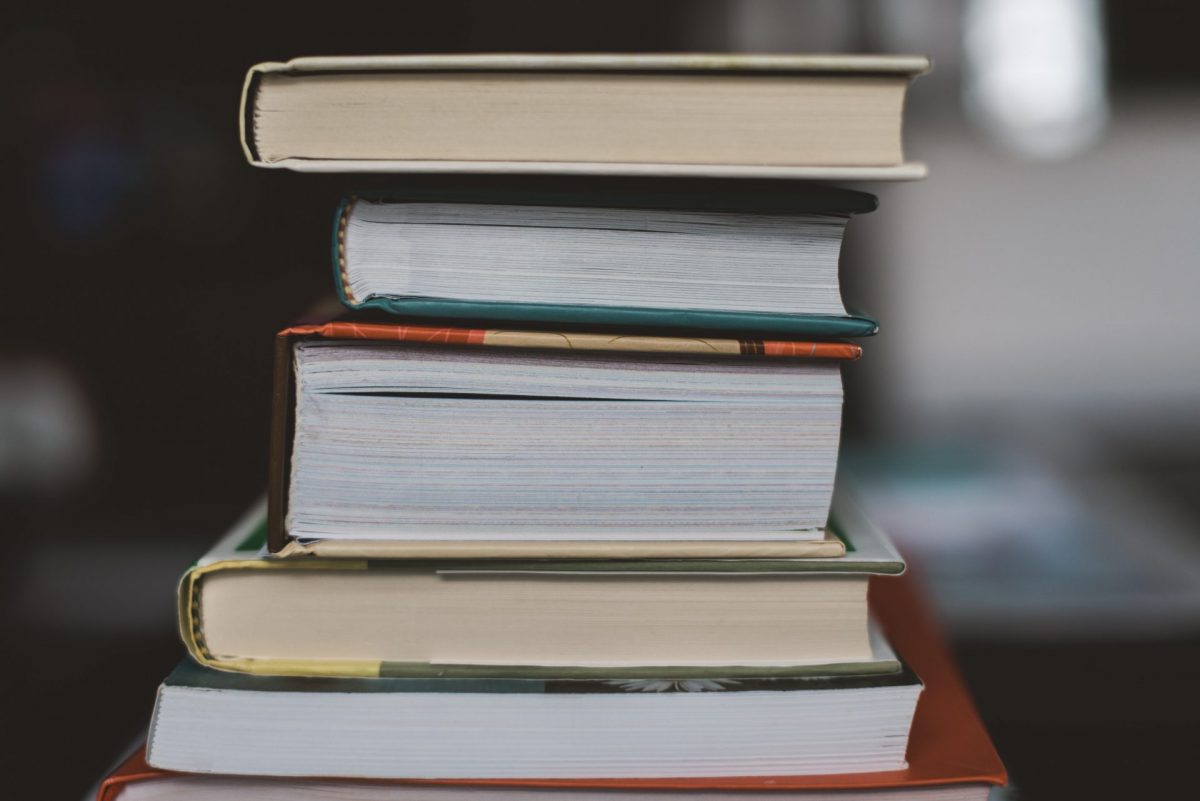
So many books, so little time?
A self-build project is never undertaken lightly and many people spend years planning their dream home before turning it into a reality. A large number of our customers would probably say that the dreaming and planning was half the fun of the project, long before the hard work started!
In an earlier blog, we talked about the best TV programmes to help inspire you as you embark on your self-build adventure. For many of us, leafing through a book is another great way to find new ideas, pick up some top tips and conjure up a vision of what your perfect self-build might look like. Here are just a few of our favourite homebuilding reads.
Grand Designs by Kevin McCloud
The TV programme is always top of our TV list and this book is fabulous too. Architecture and design guru Kevin McCloud shares his views that ‘houses too can be architecture’ through three sections of Thinking, Dreaming and Doing, based around three locations – Urban, Suburban and Rural. Some of the most memorable houses from the TV series are featured, and there really is something to suit everyone’s taste, no matter the scope and scale of the project.
Housebuilder’s Bible by Mark Brinkley
Described as ‘the go-to title’ for the UK’s army of self-builders and renovators, this book has sold over 175,000 copies, making it the best-selling guidebook in this area. Author Mark Brinkley worked as a builder and developer, and the book is based around his experiences and observations. He carried out an eco-renovation on his first house, and went on to build his own home so he really has ‘walked the walk’.
Self build and Renovation for Dummies by Nicholas Walliman
The author is a professional architect and lecturer in building construction. He built his own home and has since worked on numerous self-build and renovation projects. As the title implies, this book is very readable, using easy to understand English and assumes only a basic level of knowledge.
Building Your Own Home by David Snell
This ‘fully illustrated bible’ is full of interesting information, from buying a plot to choosing a design. There are some fascinating case studies too, detailing challenges faced by self-builders.
Contemporary Homes 3: Inspirational Individually Designed Homes
If you are looking for a beautiful book to admire and dip into when you have a few moments, look no further than this beautiful book from Homebuilding and Renovating Magazine. It showcases 39 individually designed homes. It’s not just for admiring though, it’s also a practical guide, detailing how the houses were conceived and built.
100 Of The World’s Best Houses by Catherine Slessor
Exactly as the title describes, some of the houses created by some of the greatest architects in the world are featured in this book. Whether you dream of an urban villa, a country retreat or a stunning beach house, you will find plenty to inspire you here.
The Iconic House by Dominic Bradbury and Richard Powers
Featuring more than 100 of the most influential houses built around the world since 1900, this fantastic book shows an appreciation of utilising local materials and building traditions and the importance of understanding clients’ needs.
Architects’ Houses by Michael Webb
If you’re interested in in what inspires architects and the constraints they face, then this is the book for you. Thirty of the world’s most talented architects talk about the houses they designed for themselves over the past decade in Architects’ Houses.
While books are a great source of inspiration and ideas, remember that planning regulations, costs and local conditions are subject to change at any time. Always check the latest advice and guidance with professionals before making any decisions. Talk to our self-build experts to find out more.