How to Let More Light into Your Home

As the scorching weather starts to tail off into an orange-hued autumn, we’re guaranteed to start noticing a dimmer natural light – both out in the open and inside our homes. The clouds prefer to cover the sky during the end of summer and we’ll probably even see a few more downpours, too. Unless this strange heatwave decides to stick around for another few months, the darker, colder months are hot on our tails. So, it’s about time we get prepared: how can we let more light into our homes? And what features will brighten up a dark room?

First, assess your home

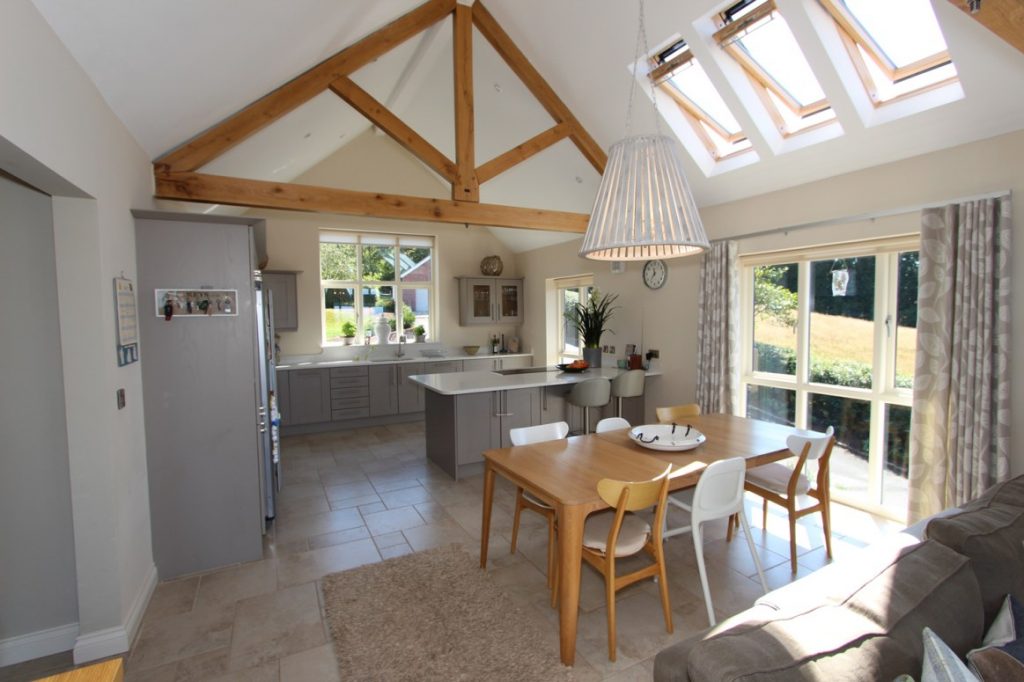
Start by taking a walk around your home. Really try to get a sense for the atmosphere of each room – how does it make you feel? Is it opened-up or closed-off? Often, you’ll find that areas with more natural light feel more welcoming and enticing. However, sometimes there’s nothing nicer than a cosier, candle-lit room. But to fight off those winter blues, we need to make the most of natural light as much as we can! Make a note of anywhere that benefits from a good amount of light and any rooms that are problem areas.

Create an illusion using accessories

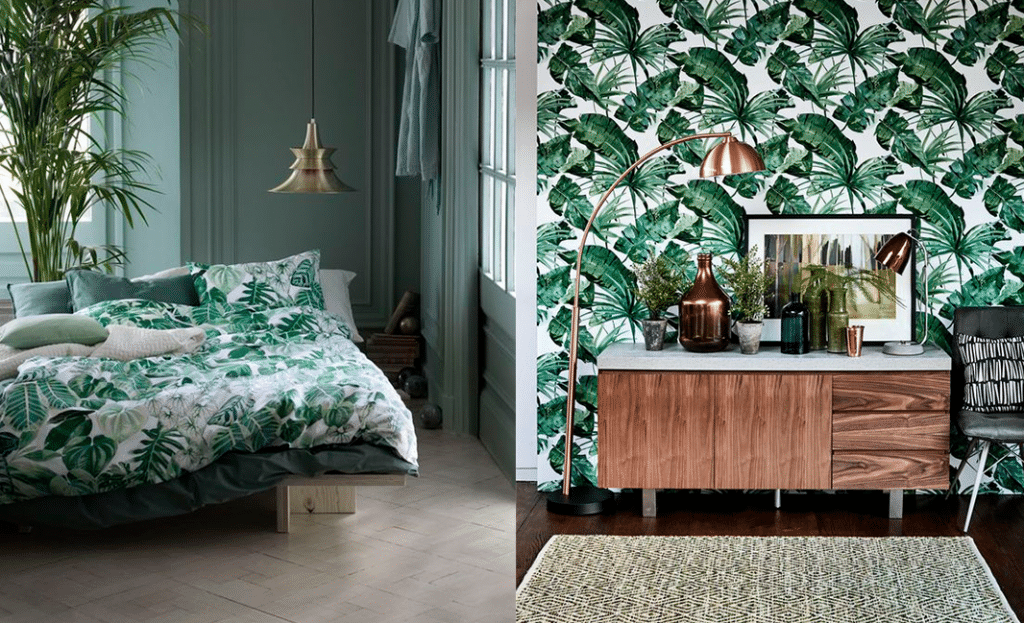
Shiny surfaces are your best friend when you want to open up a space. Placing mirrors opposite windows can help to reflect natural light around the room. But that’s not all… we’re talking about anything shiny, from chandeliers and gold doorknobs to metallic appliances and silver candlesticks. We especially love brass lettering decor that can add a touch of style but also brighten the place up. All of these things contribute to more impressive light reflection, and ultimately a brighter room.

Glass furniture gives you an advantage

The more solid furniture you’ve got, the more light will be sucked in. This is especially true if you have a lot of dark-coloured furniture and accessories. So, it’s a no-brainer that glass furniture like coffee tables and cabinets can really help to brighten a space up and continue that reflection illusion we spoke about earlier! If you can afford to invest in a glass coffee table or something similar, you’ll definitely notice the difference.

Change up your colour scheme

If a dark room is really becoming a problem for you, consider the colours in there. Are the walls painted navy or red? Is the furniture heavy, clunky and dark? Remember, dark colours don’t help a dark room. And to make matters worse, whilst absorbing any natural light, they also make a room appear smaller and more cramped. To open up a space and lighten things up, try changing the wall colours to a more neutral shade like cream, white or beige. Light greys and pastel colours work well too, if that’s your thing. Lighter coloured woods like beech, maple and pine instead of mahogany and walnut can add extra brightness to your home.

How do you like to add more light to a room?

As always, we’d love to hear your thoughts on the topic! Join in the conversation over on our social media – you can follow us on Facebook and Twitter. Alternatively, find yourself lost in interior inspiration via our Pinterest feed!

How to Choose Your Brick When Building a House

Planning a house build can be stressful but it’s also extremely exciting. After all, how often do you get the chance to create your home in exactly the perfect way for you? In today’s blog post, we’re going to be focusing on an element of the self-build process that is often overlooked and rarely talked about outside the industry. However, we think it’s important to discuss this topic, so you feel as informed as possible. Yep, that’s right, we’re talking about the brick choice.

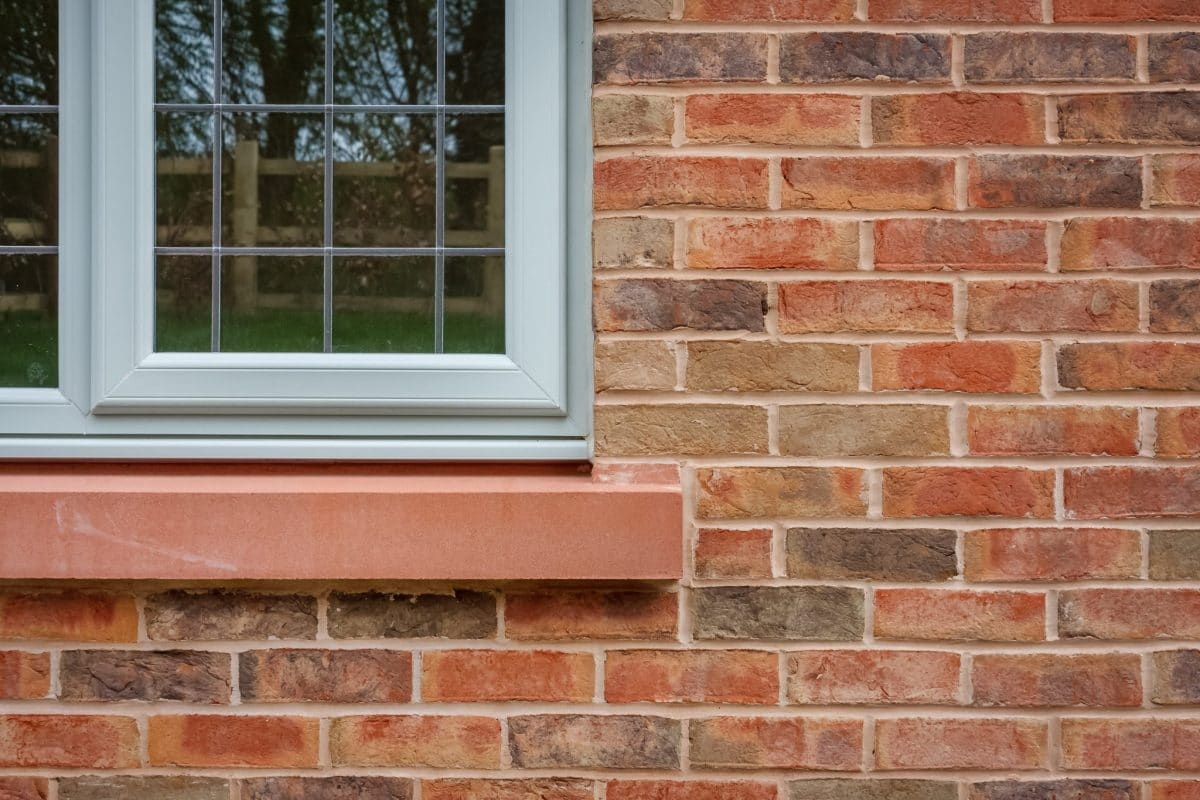
More specifically, we’re going to give you all our top tips for choosing the correct brick in the planning stages of your build. After all, you’ll be living with this decision for many years to come. So, it’s more important than anything else to get this selection right. You can change up a kitchen or replace your curtains… but you can’t replace your brick. What’s more, you might end up selling this house on at some point so bear this in mind when choosing anything ‘out-there’.

Our top tips for choosing a brick

Start your planning early

It’s always better to prepare early on when you’re building a house. But this is especially true for choosing a brick. This is simply because your build cannot begin without a brick in place! Decisions like the colour of your kitchen or the flooring you’ll have can come much later. It is also worth considering the local area where you’re building. Are you required to use a particular type of stone? Some places, like Bath, are strict on requirements.

Get inspiration

You can find inspiration absolutely anywhere. From driving around to looking on Pinterest, you’re sure to find a few examples of brick that you love. Make a moodboard, either digitally or physically, to get an idea of the kind of styles you like. It’ll be much easier to pick when you’ve already seen lots of choices in the flesh.

Consider all angles

Use your architectural drawings as your reference when thinking about how your brick is going to look. Make sure you consider all the angles of your new home – how do you want each wall to look? Using your drawings as a starting point will ensure you don’t get carried away and forget about the real project at hand.

Decide on a colour

There are so many colours to choose from when deciding on a brick. From red to grey, brown to white, yellow tones to a mixture of everything, the world really is your oyster. You might already have a natural preference, which is fine. But make sure you base your final decision on research and evidence – from photographs you’ve seen to your new home’s surrounding area.

What kind of look are you going for?

Here, you must ask some important questions. This is all about getting the style right. Do you want a distressed look or a polished look? Old-world style or contemporary crisp look? There are many things to think about here. You should also consider mortar style – dark, light, thick, thin, the choices are endless! Ultimately, you need to ensure that your vision ties together nicely and will give your home the look you desire.

The finishing touches and accents

Carefully select finishing touches like stone and exterior trim. Of course, you must make sure your choices highlight and accents the brick you have chosen. Do you want the stone to stand out or blend in with the brick? Remember, you have to live with this decision for (hopefully) a long time! Don’t just choose something based on how pretty the sample looks, try to see the brick in situ, along with any accents you like. And of course, don’t forget about your window frames! They must match your brick as they can be difficult and costly to change in the future.

Have multiple options!

You should definitely consider another option or two, as a back-up. You’ll have to have your brick approved as part of your planning permission. If your first choice doesn’t pass, you might end up disappointed

Prices can vary

It’s important to understand that brick prices can vary a lot depending on the style and manufacturer. If you are on a budget, you may wish to shop around for the best value – but don’t skimp on quality or style as you may come to regret the decision further down the line. You should fully understand the costs of your choices and the implications they may have.

If you feel like you need some more information on this topic, please don’t hesitate to get in touch with us! We offer free, impartial advice on any part of the self-build process and would be happy to assist you.

Maintaining Your Garden During the Heatwave: Tips & Advice

Happy July! Summer is now well underway… and so is this heatwave! Since this sweltering weather began, Scotland has recorded its highest temperature ever and the South of England had the driest June on record. And that’s not all. Unfortunately, with the beautiful sunshine and heat comes some drastic consequences. Field fires have been breaking out across the UK, putting enormous strain on the fire services around the country. This heatwave has taught us one thing if anything: high temperatures can be pleasant but they can also be extremely dangerous!

So, in today’s blog post, we’re going to look into the best ways to protect your own patch of nature – the garden. It’s easy to kick back and relax when the sun is beaming down but it’s more important than ever to stay on top of your gardening.

Tips and advice to keep your garden fresh and vibrant

During summer, and especially a heatwave, there’s nothing nicer than being able to sit out in your garden. And if you’ve kept up maintenance then things are going to be a lot more enjoyable! Here are our top tips for beating that heatwave intensity and allowing your garden to flourish:

Keep your grass slightly longer

Reduce your mowing time and leave the grass a little bit longer during the heatwave. The longer leaves will create extra shade and keep more moisture in the soil. Not only that, but your garden will feel cooler too.

Add extra moisture to your borders

During an increase in temperature, your garden will need all the moisture it can get. It’s a good idea to add some bark or compost to your borders over the next couple of weeks.

Give potted plants more shade

Your delicate plants in pots will need a lot more shade. Yes, we know this sounds strange – they often need more sun! But too much of anything isn’t good for anyone, especially your precious potted plants.

Time your watering sessions well

It’s very important to water your plants and lawn in the morning or evening. Don’t water them at the hottest point in the middle of the day; it’ll trick them into thinking they’ll get moisture around this time.

Rethink your fertilisers

Be careful with your fertilisers. An increase in temperature can prevent soil from absorbing all the nutrients in a fertiliser so invest in one that works better in hotter weather!

Weeding is crucial

Make sure you stay on top of your weeding. Weeds can drain nutrients and moisture from the plants in your garden, so you should get rid of them as soon as possible. After all, it’s always easier to dig up younger weeds.

Know the warning signs of a damaged plant!

Watch out for yellowing plants or droopy leaves, these are often the first signs that a plant is dehydrated and damaged. Take immediate action to avoid brown, broken leaves that could be beyond repair.

How do you keep your garden fresh and maintained during a heatwave?

For some great hints and tips on how to get the most out of your garden, take a look at 100 Most Creative Gardening Design Ideas here.

We’d love to hear your thoughts on the heatwave and how your garden is being looked after. Join in the conversation on our social platforms – follow us on Twitter and like our Facebook page. You can also find inspiration for your garden on our Pinterest boards…

What to Look for When Choosing a Self-Build Company

If you’re in the process of looking for a new home but are struggling, we understand just how frustrating it can be. Nothing ever seems quite right, does it? No matter how hard you look, you just can’t find that ‘perfect’ house. Probably because it doesn’t exist… yet. Well, there’s a reason that programmes like Grand Designs are so popular! Creating your own individual home from scratch can be one of the most rewarding things you’ll ever do.

Of course, a lot of research must be done before you embark on such a journey; this blog post is simply a stepping stone to help you on your way. Unless you are a qualified builder yourself, you’re likely to want to enlist some help from a registered company. And that’s where we come in! But we wish to offer you some advice first… here’s what you should look for when choosing a company to self-build with.

Do they offer a comprehensive, ‘turnkey’ service?

Of course, how important this factor is to you will depend on your own experience and skill set. But if you’re looking for a company to completely take over and do everything for you, a turnkey service should be high on your list of priorities. A company who offer this type of package will have experts in every area of the self-build process – from design to planning permission to the physical build and management of the site. Any problem that arises will have to be solved by them, not you. Essentially, you’ll sit down with them to discuss what your vision is and they’ll truly take the reins from there. Obviously, it’s still your project and your house but their expert knowledge will make the journey a smooth and easy one for you.

How good is their customer service and care?

First impressions count. If a company is making you feel welcome and informed from the get-go, chances are that this will continue throughout the entire process. By the same token, if you feel confused and unappreciated when you first contact a self-build company, this may be a sign that they aren’t the right people to choose. After all, you will be putting a lot of your own money and time into this project. It’s only logical that you should go with a company that offers excellent customer service to make it worth your while. This will become especially clear during the build process; a good company will keep your informed and updated on a regular basis. In fact, you should have at least regular update meetings where choices and the build process should be discussed. This is not counting the various site visits you’ll certainly want to make. After all, this is your dream, your house. If a company is not willing to be transparent about what’s going on with your build then they might not be the right one for you.

Will they give you a fixed price quote or add sneaky costs?

When you have had your initial design meeting and consultation, your chosen self build company should propose a fixed fee. Ideally, this will include everything from planning requirements and building regulations to full build costs.

This is how we operate at CB Homes: you will receive a comprehensive fixed price quote. Best of all, any additional costs that are incurred through our mistakes are not your problem or responsibility to pay. So, ensure that you always compare like with like when checking your quotes – you definitely don’t want to have to pay for something that has just “cropped up on site.” And don’t forget, once your chosen builder has started on site, swapping builders might be much more difficult than anticipated. So get it out in the open from the moment go: who’s paying for what and most of all, what’s included in the price.

Do you like their previous work and will they understand your preferences

Whilst your self-build project should be entirely tailored to your preferences, not every company is going to be understanding and listen carefully. Make sure that you choose someone who will be completely open to your dreams and ideas, whilst using their expertise to think logically about the outcome. If you are a fan of the company’s previous self-build projects or developments, there’s every chance that you’ll find it easy to work with them.

Is their work up to scratch?

Each self-build company will have their own level of standards and quality. This is key! Have you had a look at previous work from the company you’re considering? Do their houses look up to scratch? If there are lots of lovely images on their website of past builds, it’s a good sign that they’re proud of their work and happy to show it off. Have they won any awards? Are they commended by registered bodies like the NHBC? All of these questions are important to ask.

And finally, are they willing to let you meet previous clients? Here at CB Homes, we always offer meetings between new and old self-builders to give you that peace of mind and face-to-face recommendation!

How can we help you with your self-build?

If you need any more information or guidance on self-build, we can give you free, impartial advice. Don’t hesitate to get in touch and see how we can help you! And if you’re looking for a suitable plot to get started with, why not check out our available plots?

5 Chester Restaurants You Should Definitely Try!

Our CB Homes office is based in the beautiful, rural heart of Cheshire. Tarporley, to be specific. Although our surroundings are green and peaceful, we’re just a stone’s throw away from the buzzing city centre of Chester! We’re massively grateful to be in such a great location and it got us thinking. Many of our housing developments are located in similar areas – fields on the doorstep and exciting cities not much further away. That’s the great thing about residing in Cheshire, Shropshire and the surrounding counties: you get the best of both worlds!

So, we started thinking about the best bits of living so close to a city like Chester. And the first thing we thought of was, well, the food! The walled city is bursting at the seams with great independent eateries; you’d never have to eat at a boring chain restaurant again. Here is our list of five Chester restaurants that you should definitely try:

Nine Elephants Thai Drink & Dine

Nine Elephants may be a newcomer but it’s burst onto the food and drink scene in a way that we’ve not seen for a while. There weren’t many Thai restaurants in Chester (just two) so Nine Elephants had a good chance. The eatery is based just outside the city walls on Northgate Street, so it’s in a prime location for people popping into town. There’s an incredibly extensive menu with everything from stir-fries and curries to street food and sizzling noodles.

Whether you’re vegetarian, vegan or have other dietary needs, the freshly-cooked food will be altered to your preference by the attentive staff. For lovers of Thai food and a great night out, we couldn’t recommend Nine Elephants more. Oh, and they do great cocktails, too!

Atina Kitchen

With almost 700 reviews on Trip Advisor, it’s safe to say that this tucked-away gem is a favourite amongst both locals and visitors to Chester. Atina Kitchen is located on Foregate Street opposite Primark, Wetherspoons and Revolution, so it’s in a pretty popular area of the city centre. However, you’d never know it was there! Stepping into Atina Kitchen is like stepping into a small slice of heaven.

The staff are great, the drinks selection is impressive and the menu is one of the tastiest we’ve ever tried. From breakfast and brunch to a lovely evening meal, the kitchen is open all day long so you can come and go whenever you please. They’ve got burgers, sandwiches, pasta dishes and breakfast specials (including plenty of avocado and halloumi) – you’ll be spoilt for choice.

La Fattoria

Image sourced from Chester 360

Another favourite amongst locals (see a pattern here?) is La Fattoria, delivering an authentic Italian restaurant experience. If you’re a fan of Italian cuisine then we recommend stopping here for lunch or dinner, where you will be greeted by the friendliest waiters and tastiest homemade food. Step into the cosy restaurant on Lower Bridge Street and you’ll see that the decor is extravagant but with a real Italian vibe. You’ll be made to feel right at home here.

From the creamy carbonara to the fresh Caprese salad, all your favourite foods from Italy are on this decadent menu. We’ve never seen so many pasta dishes in our life; there’s something for everyone from seafood linguine to ricotta cannelloni. Dining at La Fattoria is a real experience – you’ll know what we mean once you’ve tried it.

Gate of India

Travel to South Asia and become immersed in fantastic flavours and warm hospitality: Gate of India is one of Chester’s most-loved Indian restaurants. You’ll find this delightful tavern of tastes on City Road, just a short walk from Chester Station. So it’s located incredibly conveniently for those who’d like to indulge in a beer or two!

The best thing about Gate of India? It is extremely well-priced, you’ll get double the food for the same money you’d pay in a similar restaurant elsewhere. Whether you fancy a lamb pasanda or a king prawn balti, you’ll find exactly what you’re craving in this old-school curry house. And the entire time you’re enjoying your meal, you will be served with a smile. Guaranteed.

Porta Wine & Tapas Bar

Last but certainly not least, next up on our list of top Chester eateries is Porta Wine & Tapas Bar. This hidden gem is tucked away just underneath the Northgate Street city wall entrance, so you’re pretty close to everything else in town, too. Porta is perfect for those looking for something a little bit different. If you’re visiting Chester with your other half, this is a great place for a special treat.

The wine list is fantastic so you’ll be spoilt for choice when choosing your tipple for the evening. And as for the food, well, it’s simply stunning. If you’ve never tried tapas before this is definitely a great place to start. From the traditional tortilla and Jamon Iberico to delicious Portuguese custard tarts, you’ll be dying to come back for more.

Check out our current properties and plots for sale near Chester

  • The Pastures at Tilstock: 4-bed house available, a 45-minute drive away. Click here for more information.
  • Helsby, Frodsham: self-build plot available, a 20-minute drive away.
  • Sandiway, Cuddington: self-build plot available, a 30-minute drive away.

How to Get Planning Permission for a Garden Plot

When it comes to self-build projects, we often dream big and think outside the box. However, the answer sometimes lies just on our back-door step. If you are lucky enough to have a large garden, you might consider using this space as your plot! Of course, we don’t all have sprawling lawns under our ownership. But it’s important to remember that there are garden plots everywhere around the UK and they can make excellent bases for your self-build project.

So, what is the deal with garden plots and building upon them?

Generally speaking, it’s much easier to get planning permission in built-up areas such as cities, towns and villages. You will find the details of this specifically in your council’s Local Plan – often referred to as an LP. In said LP, there are policies which usually allow new developments and construction as long as they follow specific criteria. When it comes to rural areas (including settlement edges and hamlets), LP policies can be stricter and not fond of new construction projects. However, gardens in and around smaller settlements can be approved for self-build if there is no five-year housing land supply owned by the council.

To be really clear on this, it’s worth checking out your council’s LP and policies to see what their position is.

What should you consider when applying for planning permission on a garden plot?

First things first, you need to remember that you will be pretty close to another house if you are building on someone else’s garden plot. The council are also likely to request that any new developments are in fitting with the existing property – focusing on design and development style. It is also worth considering that one-storey homes such as bungalows may work better on garden plots. Now, let’s get down to business. Here are the key points that you should be working towards when planning your garden plot self-build project:

Available space

Perhaps the most obvious factor but one that certainly shouldn’t be taken for granted. How much space is available for the new property? Does the garden plot offer adequate space without creating too much of a cramped environment? The council will take space very seriously. However, if your new building is well designed and well thought-out, space doesn’t have to be a barrier.

Town politics

In small towns and especially villages, the local politics can be quite an issue when it comes to influencing councils. Get friends and neighbours on your side from the start. You never know who is friends with council members and how local relationships can affect the outcome of your planning permission.

Entrance and parking

Will you have appropriate access to the property once it has been built? Take into consideration the impact of building a new drive and entrance route on the garden plot. Make sure you aren’t obstructing the existing property or any neighbours’ access and that the new entrance route is safe and easily accessible for all.

Block outlook and sunlight

You may think this is an obvious one but it can often be overlooked when dealing with the stresses of planning permission. Councils greatly frown upon any new development that might block the outlook or sunlit areas of an existing home. Of course, sunlight won’t be as much of an issue if your new property will be built to the north of the existing one. However, bear this in mind when drawing up your self-build plans.

Local area and style

As we briefly touched upon, it is highly recommended to keep your new designs within the parameters of any local styles there might be. You don’t have to build a carbon copy of the surrounding homes, but take their design and materials into consideration. Remember that style is subjective and you don’t want to upset the council or officer you are dealing with.

Tree removal and protected species

It’s important to remember that your garden plot development might have a negative impact on the surrounding ecology and nature. Will any trees need to be cut down to accommodate your self-build? Make sure you get a survey carried out to truly understand any significant trees and how your build will affect them. By the same token, if there are any protected species living in and around the garden plot, you should ensure an ecological survey is carried out. This will greatly help your planning application.

Sewage system

Whilst it’s not the most enticing subject, you really must consider the drainage system for the new property. Whatever solution you come up with, you should definitely include all options on your planning application show that you’ve really thought it through. This may mean opting for a private sewer system.

Neighbour privacy

With any new house, councils can be very strict about the distance between new properties. This is especially true if your new walls will contain windows that clash with the neighbour’s windows. Take the privacy of your neighbour into strong consideration when planning your self-build. It’s always better to err on the side of caution when it comes to such issues.

Looking to build on a garden plot?

If you are considering a self-build project on a garden plot or elsewhere, do not hesitate to get in touch with us. We can offer free, impartial advice on the best route to go down when it comes to your exciting new self-build journey!

Summer’s Interior Design Trends According to Pinterest

With summer well on its way, the interior design industry is bursting with fresh ideas and inspiration. When it comes to trends, magazines and trusty experts have traditionally paved the way in revealing what’s hot. However, we’re seeing a massive rise in the influence of digital platforms such as blogs, email newsletters and perhaps the most important source of all: Pinterest. Here at CB Homes, we’ve been loving Pinterest to creatively present both our own interiors and trends from other sources. It’s exciting to connect with like-minded people and companies who have one common interest: interior design. In today’s blog post, we thought we’d put our knowledge to the test and reveal the biggest trends you’ll be seeing this summer. Because as always, a change in season is always the best time to spruce up your home and furnishings.

What’s hot on Pinterest?

We’ve taken to our favourite creative platform to round up all the best inspiration, tips and tricks when it comes to decorating your home this summer. However, we’ve also had a little peek at some of the biggest fashion and design magazines too because, well, what better excuse? So here’s what you should be considering if you want to up your style game at home:

Fringing and detailing

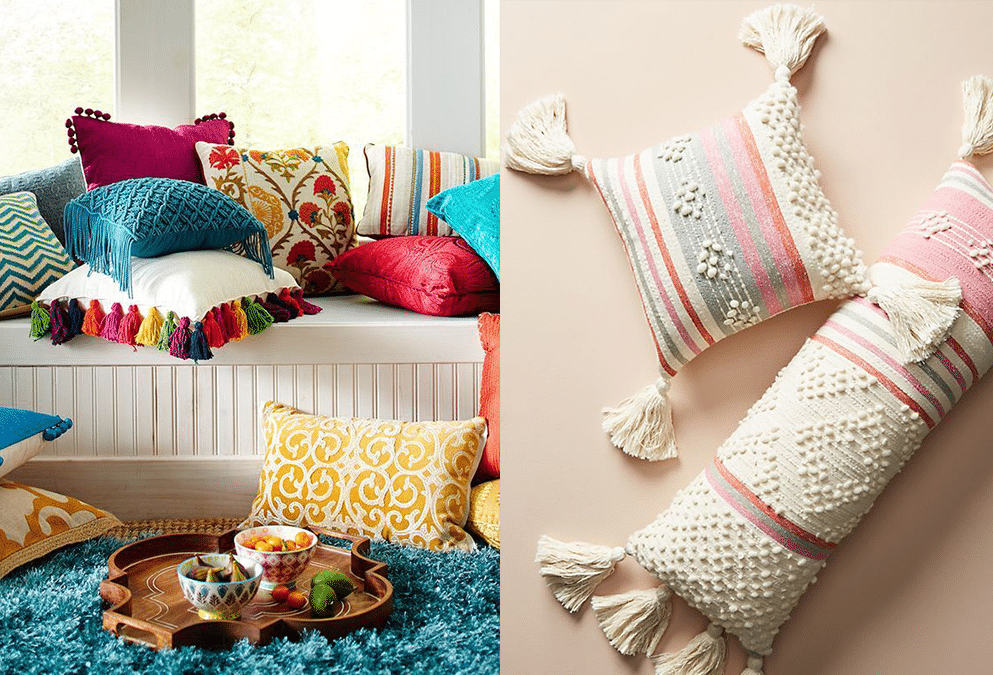
Image credit: Livingroomideas.eu (left), Anthropologie (right)

You’ll notice a common theme within this blog post and this is a great place to start. Minimal, clean lines are out. Detailing and texture is in! Fringing and tassels are going to be absolutely everywhere this summer. Look out for cushions, throws and lampshades particularly. It’s also worth noting that these types of textures are more effective in a variety of colours so don’t be afraid to clash a little. Anthropologie, Monsoon and Oliver Bonas are great retailers to start with if you want to achieve that rich, detailed bohemian but classy aesthetic.

Terrazzo and geometric tiles

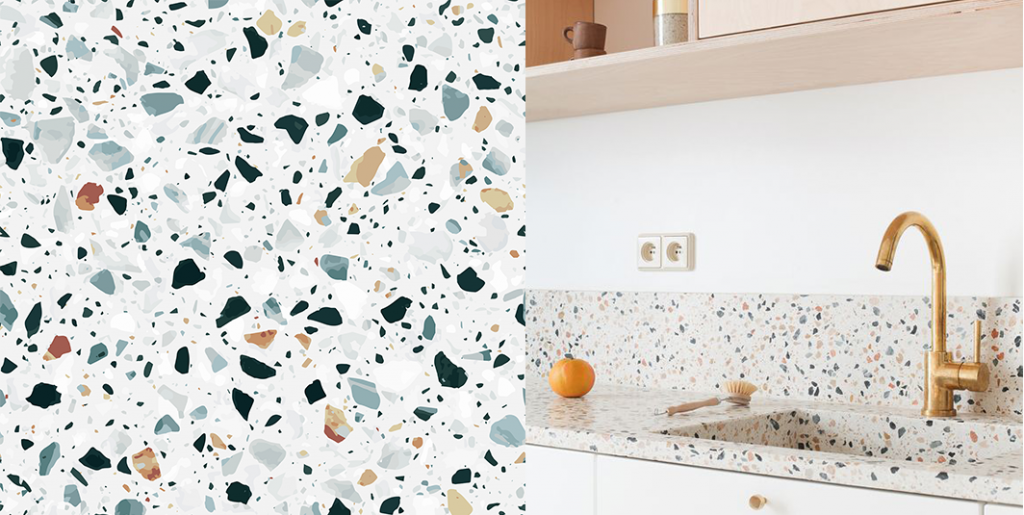
Image credit: Heju.fr (right)

Now, this may come as a shock to those of you who remember this speckled, colourful material from the 70s. Well, that’s when it really reached its popularity peak but terrazzo has been around for centuries. The classic Italian flooring pattern was first created to use up old marble but it’s now a huge style statement. We’re not talking the dingy 1970 office style but a refreshed, modernised version. And you don’t just have to use terrazzo on the floor – wall tiles and table tops are becoming increasingly popular.

Bold, dark hues over light shades

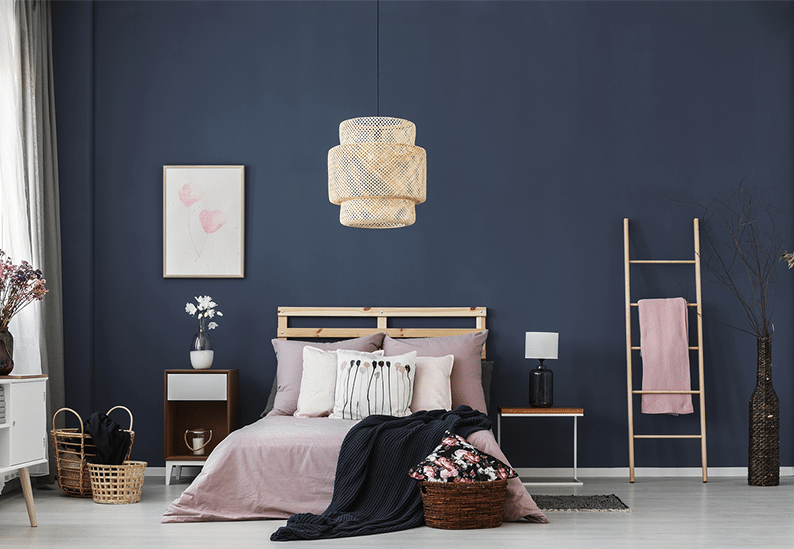
Last summer, it was all about pastels. However, things have taken a sharp turn this year. We’re rebelling in colour; it’s time for bold hues to shine. We’re seeing a lot of dark greens and blues covering feature walls in Pinterest’s most stylish homes. Alongside this, furniture and statement pieces are seen in vibrant yellows and reds. In the picture above, you’ll see a navy wall with a dusky pink bed cover. This is a great, safe way to experiment with bolder colours if you’re not ready to completely commit yet. Essentially, the Pinterest users and interior designers of the world want you to go bold this summer. And we’re all for it!

Tropical and botanical prints

Image credit: Happy Interior Blog (left), Barker and Stonehouse (right)

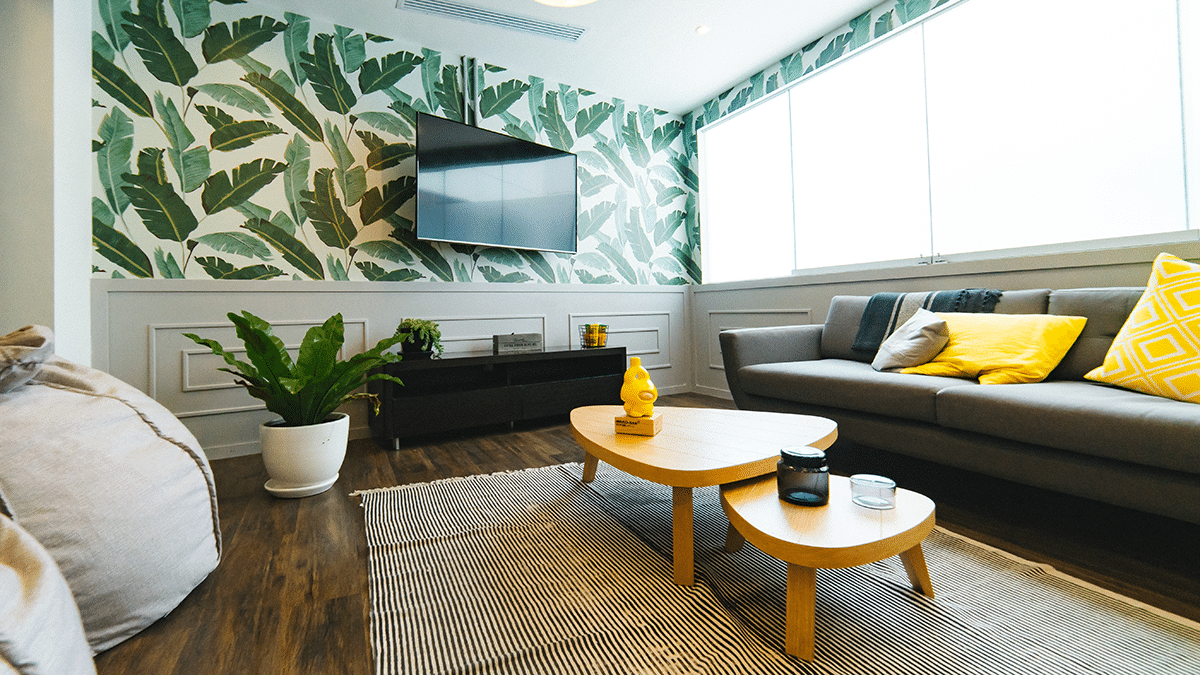
Now, we all know that houseplants have been hot on the style radar for some time now. Whether you’re into succulents or spider plants, this interior craze has really taken Pinterest by storm. We’re seeing more and more indoor greenery than ever and now the trend has seeped into every aspect of our home. It’s time to show your love for plants and flowers in more ways than one. This summer, you’ll see bedding, blankets, wallpaper and even artwork all designed with one thing in mind: plants. From exotic tropicals right through to classic botanicals, there’s no limit with how you can style up this trend.

For everyday inspiration?

We understand that Pinterest and style magazines can often offer a far-fetched version of what the average home actually looks like. But there’s nothing stopping you from achieving these looks in your own way! The above trends can be used as sparingly or as full-on as you like. Why not start to introduce subtle accessories and smaller pieces before fully committing? And if you’d like some more everyday inspiration that can be used as a starting point for your home, be sure to check out the Inspirations section on our website.

Spotlight On: Tilstock – Things to Do & See

Here at CB Homes, we place a pretty big emphasis on location when undertaking our housing development projects. Today, we’d like to take a closer look at one of these developments and its location in particular. The Pastures is a development located in the tranquil setting of Tilstock, just south of Whitchurch town. We have 11 bespoke, beautifully-crafted houses at The Pastures ranging from 2 to 4 bedrooms (see the end of this blog post for any remaining available plots). The North Shropshire village is perfect for those looking to settle into a quieter, slow-paced life – but that doesn’t mean there’s any shortage of things to do!

What’s going on in Tilstock?

As Tilstock is in such a rural setting, you can probably guess that nature and wildlife is one of its key attractions. There are plenty of walking and cycling routes to enjoy if you like to get out and about. The #GetOutside campaign by Ordnance Survey has a dedicated page to Tilstock on their website. Here, you can browse the village’s coordinates and recommended routes completed by OS Maps users. The routes and trails are detailed with length in km and difficulty (leisurely, moderate, energetic).

The Horseshoes Inn

If you move to Tilstock, you’ll soon become familiar with the Horseshoes Inn. This quaint family pub is located on Wem Road – less than a ten-minute walk from The Pastures. Horseshoes Inn is a welcoming pub serving real ales, it’s also dog-friendly and suitable for any walkers who might need a little refresher. Regular quiz nights are hosted here so if you like to test your general knowledge, keep your eye out!

Brown Moss Nature Reserve

Just a ten-minute drive from the village is Brown Moss Nature Reserve. This primaeval reserve is as flat as it comes with pools, mosses and peat. For budding geologists and nature-lovers alike, Brown Moss is a fantastic place to visit. There’s plenty of parking and a great walking route to take you around the entirety of the reserve. The BBC even covered Brown Moss in their Nature Features, so it must be worth a visit!

Skydive Tilstock

For the braver souls among us, Skydive Tilstock is a truly once-in-a-lifetime experience! Of course, it’s not going to be your average Saturday activity (unless you decide to take it up as a hobby!) but we think it’s perfect for anyone who visits you from out of town. There’s plenty of information about Skydive Tilstock on their website, where you can find out what’s on offer.

Alderford Lake

Maybe skydiving isn’t for everyone… but we think Alderford Lake might be. This beautiful site has something for all the family – from walking to wild water swimming! If you’re a bit of a water baby, there’s no end to the activities for you in the water. You’re welcome to bring your canoes or kayaks or simply have a swim. Of course, you can take in the sights with a wildlife walk and have a well-deserved refresher in the cafe. They serve all sorts using local ingredients – including afternoon tea! Check out the Alderford website here for more information and handy details.

Nearby market town of Whitchurch

If you fancy a little more buzz, the busy market town of Whitchurch is only a ten-minute drive away. Whilst village life is lovely and peaceful, sometimes we need a little more entertainment! There is an abundance of shops in Whitchurch, including all your favourite supermarkets for when you need to stock up. You could easily spend a whole day exploring the independent shops and foodie spots!

Fancy living here?

We currently have one plot left at The Pastures development. The Drayton is a stunning four bedroom detached home with a double garage, fitted quality kitchen and open plan kitchen. For more information on this beautiful Tilstock home, visit its dedicated page on our website here.

The CB Homes’ Guide to Moving House: Our Handy Tips

So you’ve paid your deposit, the contracts have been exchanged and the keys are handed over. Now, it’s time to get moving. The whole process of moving house can be an arduous one but it’s also very exciting! If you plan ahead and get organised, you can greatly reduce any impending stress. Keep reading for our top tips and tricks for moving.

Ask around for materials you can use

You’re going to need boxes. And lots of them. When you’ve got your moving date, start asking around for the items you’ll need. Local supermarkets and shops are always throwing out spare cardboard so it’s worth investigating. You’ve got enough costs on your plate – never mind adding to them with boxes you’ll use once! Stock up on tape and marker pens, too. It’s handy to be organised; mark your boxes with either the room they’re designated to or what the contents are.

Be savvy with your time and ruthless with your ‘stuff’

Don’t leave it all until the last minute. Of course, this may seem obvious, but with so many things to do in the run-up to moving day, you’ll need to manage your time well. Start a few weeks in advance, slowly boxing up items you don’t use often along with decorative pieces and seasonal clothing. Your collection of books, DVDs, fancy cooking equipment and your holiday accessories are unlikely to be a necessity during this stressful period of time. Save yourself the hassle and box them up early on, making sure to declutter anything you don’t really want anymore. Remember, whatever you pack up, you’ll have to unpack. If it’s really not got any value or purpose in your life anymore, take it to the charity shop or throw it away!

Work your way around the home sensibly

Let’s be real. There’s no point in packing up your microwave, kettle and work clothes as soon as you’ve had your offer accepted. Start by boxing up things you don’t use very often, as we mentioned earlier. Our advice would be to tackle the garage or garden shed first. Then, you can move onto the spare bedroom, the study, the loft… the list goes on. If you really don’t have any rooms that can be completely cleared out until the last minute, try emptying them slowly by only keeping out necessities that you can’t live without. For example, you can’t pack your toothbrush and hairdryer first but you’re not likely to need the collection of perfume and nail varnishes in the cupboard.

Put together a ‘first-night’ essentials box

If you’ve not already thought of this, you can thank us later! With all the excitement of settling into your new home, it’s not uncommon to have a last-minute panic. “We’ve got no tea bags!” “Did someone get milk?” “I’ve packed my toothpaste somewhere and can’t find it!” We’ve all heard these types of complaints on the first night in a new house. But creating a designated ‘first-night’ box will solve all your problems. Here’s what we recommend putting in:

  • Disposable cutlery and plates
  • Everyone’s favourite mug
  • Tea-making stuff and milk
  • Phone chargers
  •  Bin bags
  •   Toilet roll
  • Pet food and bowl
  • Scissors/penknife for unpacking
  •  Change of clothes for everyone
  • Towels
  •   Mini toiletries including toothbrush and toothpaste!

Of course, these are just the basics. It’s up to you how much or little you pack for your first night in the new home… but one thing’s certain: no-one will judge you for eating chips surrounded by boxes. Happy new home!

4 Advantages of Buying a New-Build

When buying a new home, whether it’s for the first time or you’re a seasoned property-ladder climber, exciting times lie ahead. Where do you see yourself living? Are you extending the family? Or are you looking for somewhere to retire? Either way, there are many questions to be asked and answered. One of the most important questions is this: will you be buying a new-build home or a previously lived-in property? Of course, there are benefits and problems with both, as with anything in life. But today, we want to discuss some of the key advantages to buying a new-build.

Here at CB Homes, we specialise in self-builds (turn-key service included!) and brand new housing developments. So, we may be a little biased in our preference to new builds. However, we aren’t ‘bulk builders’; we take exquisite care in designing and building our bespoke developments and always put quality first. Of course, buying an older home can be rewarding but if you’re confused about which route to go down, we can offer our advice. So, let’s discuss some of the greatest advantages to buying new-build!

Why buy a newly built home? Here are some reasons

1.No chain

Perhaps one of the most annoying parts of moving home is the dreaded ‘chain’. This refers to the chain of homeowners who are waiting to either move into your old home or move out of your new home. And of course, there’s not always a guarantee of how long this chain might be or how long it will last. However, buying a new-build home from a reputable builder means no chain. Hurrah! That said, you should consider the build time if your chosen property has not yet been completed. But once it is ready for you to move in, you won’t be waiting around for other people and their lawyers.

2. A clean slate

If you take pride in your property’s appearance, a new home is much easier to customise to your own personal preferences and tastes. Although an older property can have character, it can sometimes be slightly tarnished by the existing owner’s taste. A new-build can often be designed with your preferences in mind too, such as the kitchen tiles and carpets. But even if you miss out on choosing your own detailing, new-builds are usually built to a neutral colour scheme with simple, modern fittings to appeal to a wider audience. So, you’ll be able to start making it your own without worrying about a tasteless wallpaper or questionable carpet!

3. Energy efficiency

It’s common knowledge that new builds tend to be much more energy efficient than older homes. Modern builds come with all the top features: double glazing, cavity walls and improved insulation to name a few. And of course, we all know what comes with better energy efficiency… reduced utility bills! Builders are held to much higher standards than they previously were, so it’s important to gain that impressive energy performance certificate and give new homeowners peace of mind.

4. Easier to maintain

Although snagging lists can sometimes put people off buying new-builds, they often forget the long-term implications of an older property. Your builder has a responsibility to ensure that your brand new property is up to scratch; these types of homes typically come with a 10-year warranty provided by the NHBC. Once any snags have been fixed, it’s likely that your new build will be much easier to maintain and less in need of repairs than an older property. Think of it as buying a brand new car… and compare that to buying a 10-year old car!

Why buy from CB Homes

So, we’ve outlined the general reasons to consider a newly built home. However, we think that compared to a lot of builders, we stand out from the rest. Here are our favourite reasons you should consider buying a new-build with us:

  • We’ve received awards from the Federation of Master Builders, the National House Building Council and the Local Authority Building Control.
  • We put our customers first – you’ll deal with the same small team from start to finish of your buying process.
  • Our dedicated Site Managers ensure that your move-in day is as smooth as possible and you can settle into your new home in the best possible way.
  • We have a dedicated Snagging Team and Aftersales Team who will continue to be there for you long after your move-in day!
  • The environment is important to us: we aim to retain, reclaim and recycle as much material as we can during our building processes.
  • Since 1981, we’ve been building award-winning homes – but we always avoid the ‘identical rabbit hutch’ look that new builds are often criticised for. Each of our developments is distinctly unique and charming.